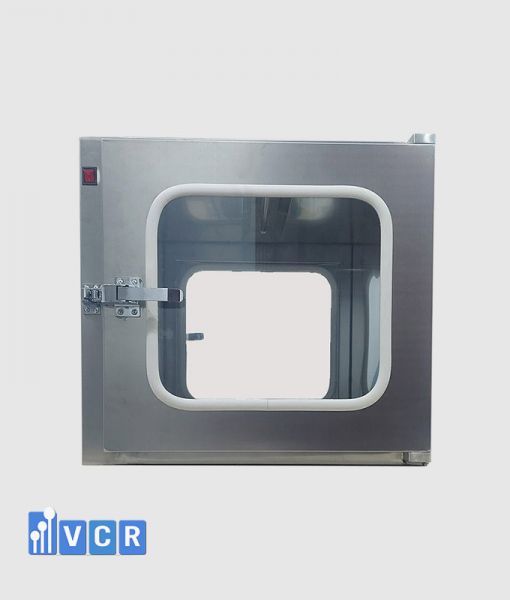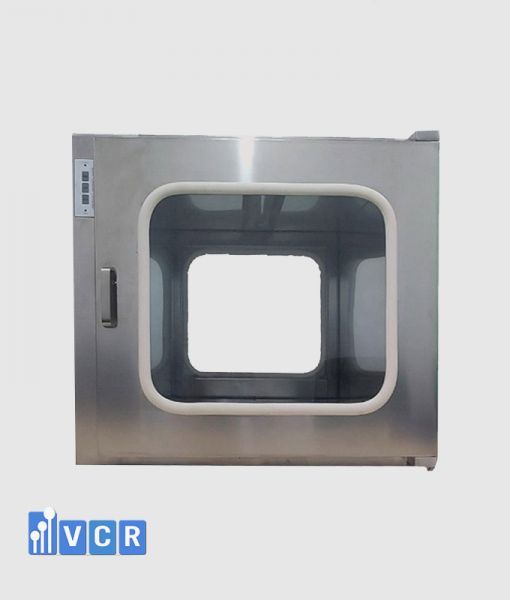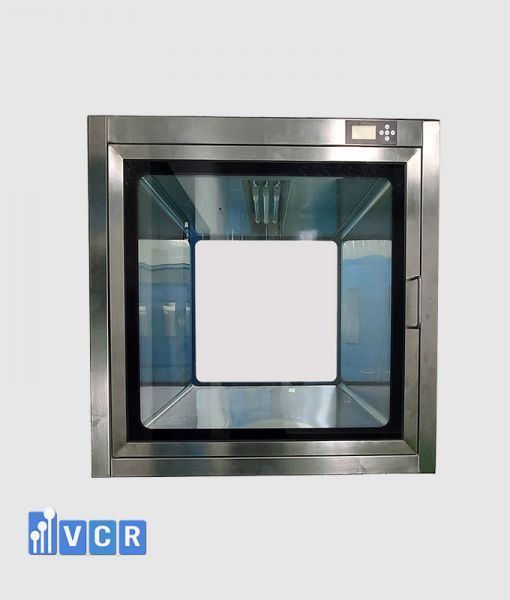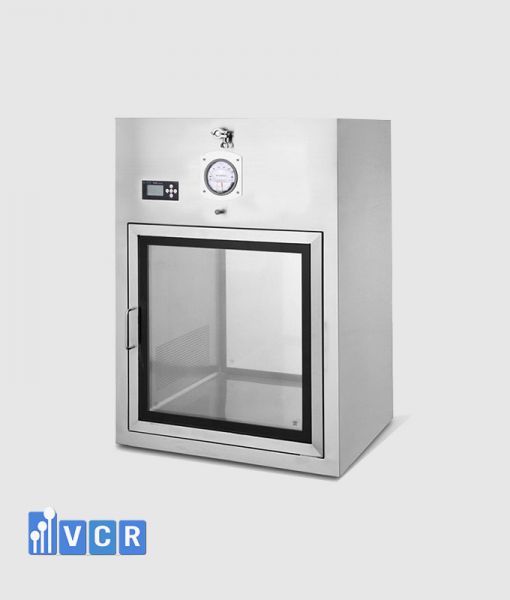

A Pass Box is not just a transfer device but a technical system designed to control cross-contamination. Understanding its design and structure helps ensure efficient operation and compliance with ISO and GMP standards.
- What components make up a Pass Box?
- What types of Pass Box designs are available?
- What is the working principle of a Pass Box?
- How does the interlock system work in a Pass Box?
- What materials are used for Pass Box construction?
- What is the role of the viewing window in a Pass Box?
- How does the HEPA filter work in a Dynamic Pass Box?
- What is the function of the fan in a Pass Box?
- Is UV light necessary in a Pass Box?
- What is the role of the gasket in a Pass Box?
- How are Pass Box doors designed?
- What systems can be integrated into a Pass Box?
- What does the control system of a Pass Box include?
- Does a Pass Box require power supply?
- How is Pass Box size determined?
- Can Pass Boxes be customized?
- How is airtightness of a Pass Box evaluated?
- Does a Pass Box affect cleanroom pressure?
- What standards must Pass Box design comply with?
- Which component is the most critical in a Pass Box?
In real-world consulting and implementation, “VCR Cleanroom Equipment” has found that the biggest mistake is not choosing the wrong device, but misunderstanding how Pass Boxes are designed and operate.
What components make up a Pass Box?
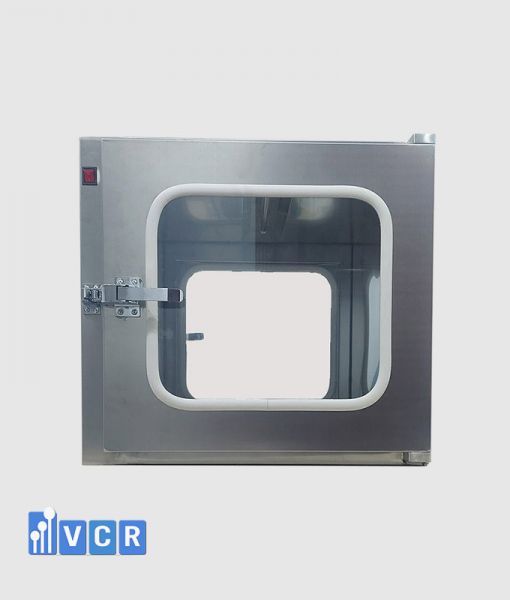
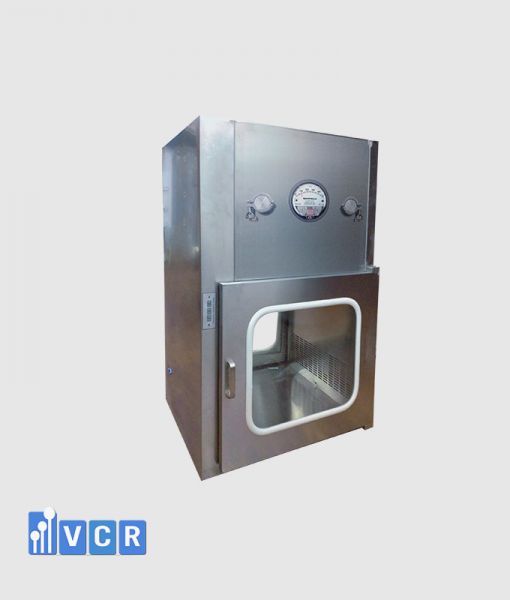
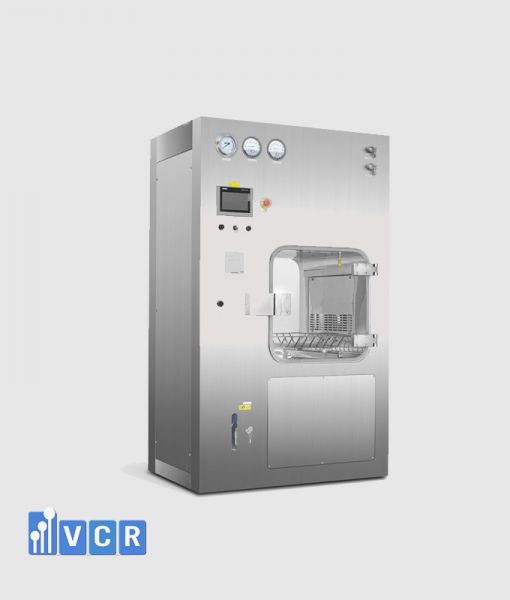
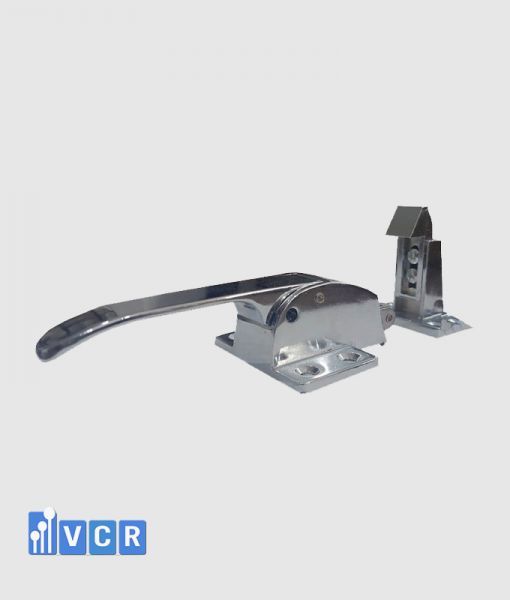
A Pass Box is a closed system consisting of multiple components working together to control contamination. Key elements include the outer housing, two doors, interlock system, transfer chamber, viewing glass, and optional features such as lighting or UV. The internal chamber is designed with smooth surfaces to minimize dead corners and allow easy cleaning. Seals, hinges, and handles must ensure airtight performance. In Dynamic Pass Boxes, additional components include fans and HEPA filters to create a controlled clean environment.
What types of Pass Box designs are available?
Pass Boxes are mainly divided into Static and Dynamic types. Static Pass Boxes do not include air filtration systems and are typically used between areas of the same cleanliness level. Dynamic Pass Boxes incorporate fans and HEPA filters to clean the air inside the chamber, making them suitable for transferring materials between areas of different cleanliness levels. There are also specialized designs such as anti-static, explosion-proof, or sterilization-integrated models.
What is the working principle of a Pass Box?
A Pass Box operates based on isolation and controlled transfer. When materials are placed inside, one door opens and must be fully closed before the opposite door can open. This is controlled by the interlock system. In Dynamic Pass Boxes, air is filtered through HEPA filters and recirculated to remove particles and microorganisms. This mechanism reduces contamination risks without requiring personnel movement between zones.
How does the interlock system work in a Pass Box?
The interlock system ensures that both doors cannot be opened simultaneously. There are two main types: mechanical and electronic interlocks. Mechanical interlocks use physical linkages, while electronic systems rely on sensors and control circuits. Advanced systems can integrate with alarms or Building Management Systems (BMS). This is one of the most critical components for maintaining isolation between cleanroom zones.
What materials are used for Pass Box construction?
Pass Boxes are typically made from stainless steel such as SS304 or SS316. SS304 is suitable for standard applications, while SS316 is used in more demanding environments such as pharmaceutical or chemical industries due to its higher corrosion resistance. The surface is usually polished or hairline-finished to reduce particle adhesion and facilitate cleaning. Material selection directly impacts durability and hygiene compliance.
What is the role of the viewing window in a Pass Box?
The viewing window allows operators to monitor the transfer process without opening the doors. This reduces contamination risks and enhances safety. It is typically made of double-layer tempered glass to ensure strength and airtightness. It also supports inspection during audits and operational checks.
How does the HEPA filter work in a Dynamic Pass Box?
HEPA filters are designed to remove airborne particles and microorganisms. In a Dynamic Pass Box, air is drawn in, passed through the HEPA filter, and recirculated into the chamber. Filters such as H13 or H14 can achieve up to 99.97% efficiency for 0.3-micron particles. This ensures that the internal environment remains clean before material transfer.
What is the function of the fan in a Pass Box?
The fan generates airflow within the Dynamic Pass Box, ensuring air passes through the HEPA filter and circulates properly. Airflow must be stable and controlled to avoid disturbing materials. If the fan performance is unstable, the effectiveness of filtration and contamination control is compromised.
Is UV light necessary in a Pass Box?
UV light is used to reduce microorganisms on material surfaces. However, its effectiveness depends on exposure time and direct contact. UV cannot replace HEPA filtration and is considered a supplementary sterilization method. In GMP environments, it is often used as an additional safety layer.
What is the role of the gasket in a Pass Box?
Gaskets ensure airtight sealing between doors and the chamber. Poor sealing can lead to air leakage and pressure imbalance. Gaskets are typically made from silicone or EPDM for durability and chemical resistance. Although small, they play a critical role in system performance.
How are Pass Box doors designed?
Doors may be hinged or sliding, depending on design requirements. Each door includes airtight seals and is integrated with the interlock system. The design must balance ease of operation with airtight performance. Some designs include automatic closing mechanisms for enhanced safety.
What systems can be integrated into a Pass Box?
Pass Boxes can integrate UV, HEPA filters, sensors, alarms, and BMS connectivity. These integrations enhance monitoring, control, and automation. In modern facilities, Pass Boxes are part of a larger controlled environment system.
What does the control system of a Pass Box include?
The control system includes control panels, door sensors, status indicators, and central controllers. Operators can monitor system status through visual indicators or display screens. Advanced systems may include PLC integration or centralized monitoring.
Does a Pass Box require power supply?
Static Pass Boxes do not require power as they operate mechanically. Dynamic Pass Boxes require electricity to operate fans, HEPA filtration, UV systems, and control units. A stable power supply is essential for consistent performance, especially in GMP environments.
How is Pass Box size determined?
Pass Box dimensions are customized based on application needs. Smaller units are used in laboratories, while larger units are designed for industrial material transfer. Proper sizing ensures efficient workflow and reduces contamination risks.
Can Pass Boxes be customized?
Pass Boxes can be fully customized in terms of size, material, and features. Customization ensures compatibility with specific industry requirements and operational processes.
How is airtightness of a Pass Box evaluated?
Airtightness is tested using methods such as smoke tests or pressure decay tests. These tests ensure that no air leakage occurs, maintaining cleanroom integrity.
Does a Pass Box affect cleanroom pressure?
When properly designed and installed, a Pass Box does not negatively impact cleanroom pressure. Instead, it helps maintain pressure stability. However, poor sealing or incorrect operation can lead to pressure leakage.
What standards must Pass Box design comply with?
Pass Box design must comply with ISO 14644 and GMP standards, especially EU GMP Annex 1 for pharmaceutical applications. Compliance ensures proper contamination control and operational safety.
Which component is the most critical in a Pass Box?
The interlock system and filtration system (for Dynamic Pass Boxes) are the most critical components. Interlocks prevent cross-contamination, while filtration ensures a clean transfer environment. Gaskets also play a key supporting role in maintaining airtight performance.
Duong VCR