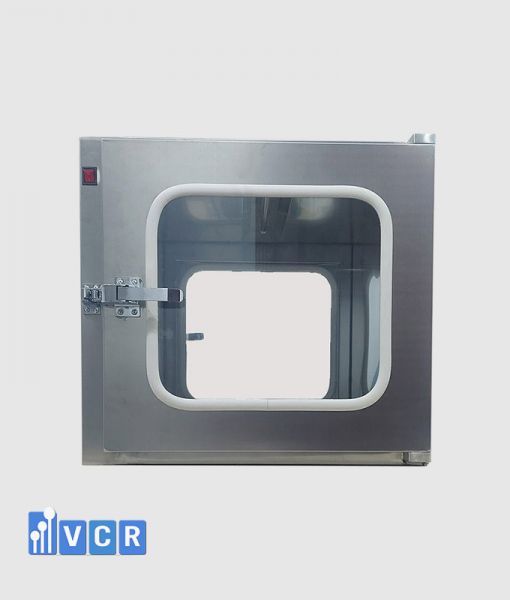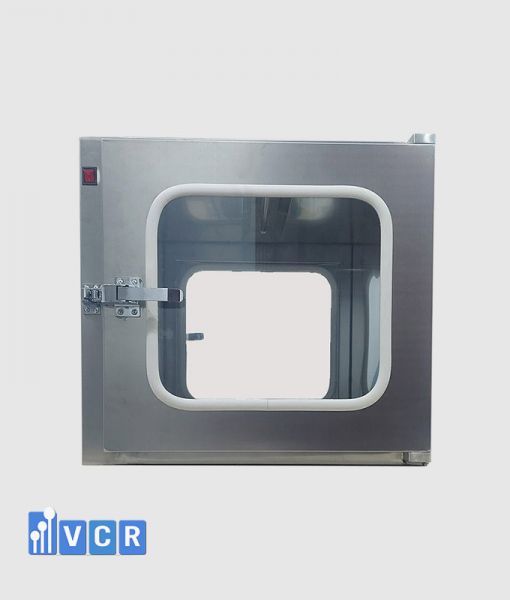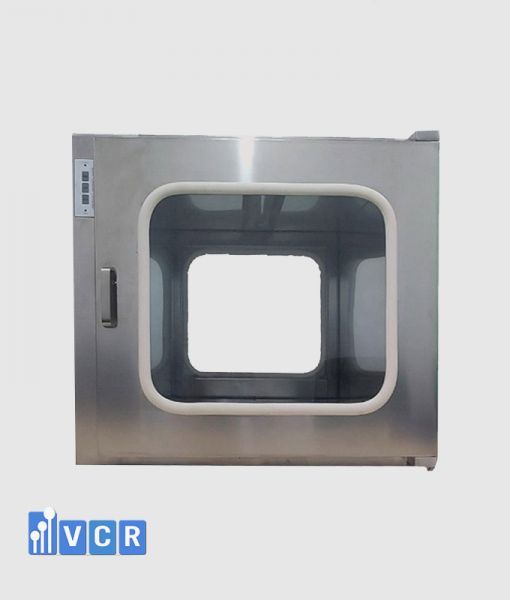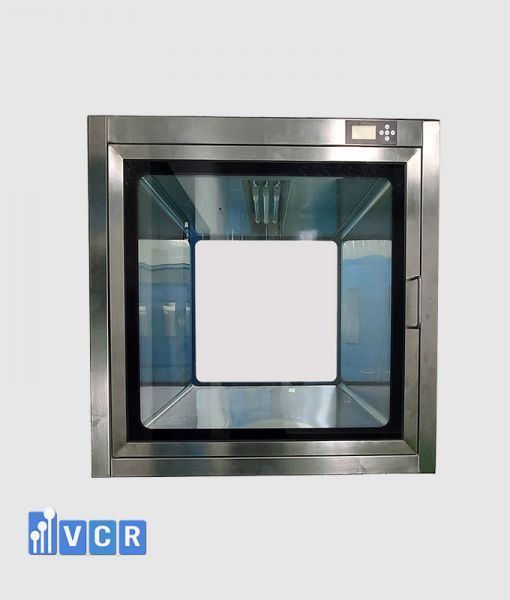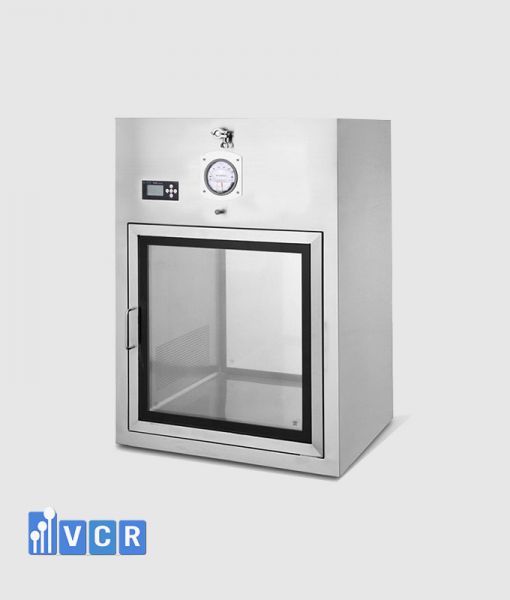

A Pass Box may seem like a small device, but it plays a critical role in GMP compliance and contamination control. Understanding standards helps avoid audit failures and ensures long-term operational stability.
- Does a Pass Box relate to ISO 14644 standards?
- What does EU GMP Annex 1 require regarding Pass Boxes?
- Does WHO GMP require the use of Pass Boxes?
- Does a Pass Box require validation?
- Does a Pass Box require IQ/OQ/PQ qualification?
- Does a Pass Box require periodic inspection?
- Does the HEPA filter in a Pass Box require testing?
- Does a Pass Box require an SOP for operation?
- Does a Pass Box require operational logs?
- Does a Pass Box require routine cleaning?
- Does a Pass Box require microbial control?
- Should a Pass Box be integrated with monitoring systems?
- Does a Pass Box require CE certification?
- Does a Pass Box require GMP certification?
- Does a Pass Box require leak testing?
- Does a Pass Box require airflow testing?
- Does a Pass Box require risk assessment?
- Is a Pass Box included in GMP audits?
- Does a Pass Box require technical documentation?
- Does a Pass Box require operator training?
In real-world implementation, “VCR Cleanroom Equipment” has observed that Pass Boxes are often underestimated, yet they are critical audit points directly impacting GMP compliance of the entire cleanroom system.
Does a Pass Box relate to ISO 14644 standards?
Pass Boxes are not explicitly defined in ISO 14644, but they play an indirect role in maintaining cleanroom classification. ISO 14644 sets particle limits and requires control of contamination sources. Pass Boxes reduce personnel movement, which is one of the primary sources of particles. When properly designed, they help maintain stable conditions from ISO Class 5 to ISO Class 8. Therefore, while not mandatory, Pass Boxes are considered an important engineering solution for achieving and maintaining ISO cleanliness levels.
What does EU GMP Annex 1 require regarding Pass Boxes?
EU GMP Annex 1 does not explicitly mention Pass Boxes but requires strict control of material flow and prevention of cross-contamination. In practice, Pass Boxes are widely used to meet these requirements. In Grade A and B environments, material transfer must not compromise sterility. Dynamic Pass Boxes with HEPA H14 filtration and unidirectional airflow are commonly used to comply with Annex 1 expectations. As a result, Pass Boxes are considered part of a compliant contamination control strategy.
Does WHO GMP require the use of Pass Boxes?
WHO GMP does not mandate Pass Boxes explicitly but emphasizes the control of material and personnel flow between clean areas. The guidelines stress segregation and minimizing cross-contamination risks. Pass Boxes are a widely accepted solution to achieve these principles. In many WHO GMP-compliant facilities, Pass Boxes are standard equipment, especially in pharmaceutical production environments.
Does a Pass Box require validation?
In GMP environments, a Pass Box is considered a system that can impact product quality and therefore requires validation. Validation demonstrates that the equipment operates as intended and consistently maintains contamination control. Key aspects include interlock functionality, airtightness, HEPA performance (if applicable), and operational procedures. Without validation, the Pass Box may become a critical risk point during GMP audits.
Does a Pass Box require IQ/OQ/PQ qualification?
Pass Boxes in GMP facilities typically require full qualification, including Installation Qualification (IQ), Operational Qualification (OQ), and Performance Qualification (PQ). IQ verifies correct installation according to specifications. OQ tests functional performance such as interlock operation, airflow, UV, and controls. PQ evaluates performance under actual operating conditions. Completing IQ/OQ/PQ ensures long-term reliability and compliance.
Does a Pass Box require periodic inspection?
Pass Boxes must be inspected regularly to ensure performance remains consistent over time. Key inspection points include interlock systems, gasket integrity, HEPA filter performance, and UV functionality. Regular inspection helps identify potential issues early and maintain compliance with GMP requirements. It also supports the validated status of the equipment.
Does the HEPA filter in a Pass Box require testing?
HEPA filters in Dynamic Pass Boxes must be tested periodically to verify filtration efficiency. Common methods include DOP or PAO testing. If the HEPA filter does not meet performance requirements, contamination control will be compromised. Therefore, regular testing is essential in GMP environments.
Does a Pass Box require an SOP for operation?
In GMP systems, all equipment, including Pass Boxes, must have Standard Operating Procedures (SOPs). SOPs define how to operate, clean, maintain, and troubleshoot the equipment. This ensures consistent operation, reduces human error, and supports audit compliance.
Does a Pass Box require operational logs?
Maintaining operational logs helps track equipment usage and provides traceability. Logs may include usage time, equipment status, and any incidents. In GMP, proper documentation demonstrates that the equipment is controlled and operated according to procedures.
Does a Pass Box require routine cleaning?
Regular cleaning is necessary to prevent accumulation of particles and microorganisms. Cleaning procedures must be standardized and documented in SOPs. Improper cleaning can compromise contamination control and lead to audit findings.
Does a Pass Box require microbial control?
In pharmaceutical production, Pass Boxes must be monitored for microbial contamination to prevent them from becoming contamination sources. This may include periodic testing and the use of UV or other sterilization methods.
Should a Pass Box be integrated with monitoring systems?
Modern facilities often integrate Pass Boxes with monitoring systems such as BMS. This allows real-time tracking of equipment status and provides alerts for failures. Integration enhances control and supports audit readiness.
Does a Pass Box require CE certification?
CE certification is not always mandatory but is required for equipment used or sold in the European market. It ensures compliance with safety and electrical standards.
Does a Pass Box require GMP certification?
Pass Boxes do not have standalone GMP certification. Instead, they must be designed and operated in accordance with GMP requirements. Compliance is demonstrated through validation and documentation.
Does a Pass Box require leak testing?
Leak testing ensures that the Pass Box does not compromise cleanroom pressure. Methods such as smoke testing are commonly used to verify airtightness.
Does a Pass Box require airflow testing?
Airflow must be tested to ensure proper operation of the filtration system. Incorrect airflow can reduce filtration efficiency and compromise contamination control.
Does a Pass Box require risk assessment?
Risk assessment helps identify potential contamination risks in design and operation. It is an essential requirement in modern GMP systems.
Is a Pass Box included in GMP audits?
Pass Boxes are commonly inspected during GMP audits, particularly regarding SOPs, validation, and operational control. They are often considered a critical control point.
Does a Pass Box require technical documentation?
A Pass Box must have complete documentation, including drawings, user manuals, and validation records. These documents are essential for both operation and audit purposes.
Does a Pass Box require operator training?
Operators must be trained to use the Pass Box correctly to avoid errors that could lead to contamination. Training is a key part of maintaining GMP compliance.
Duong VCR