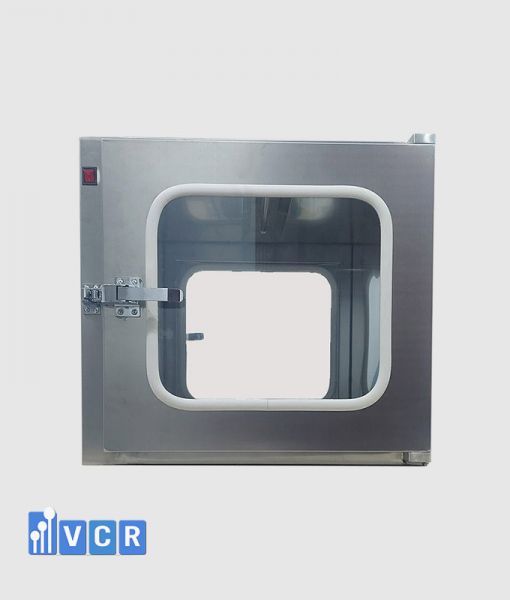
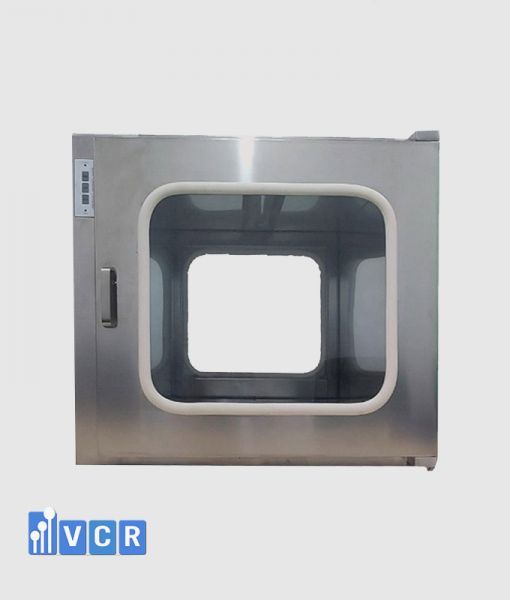
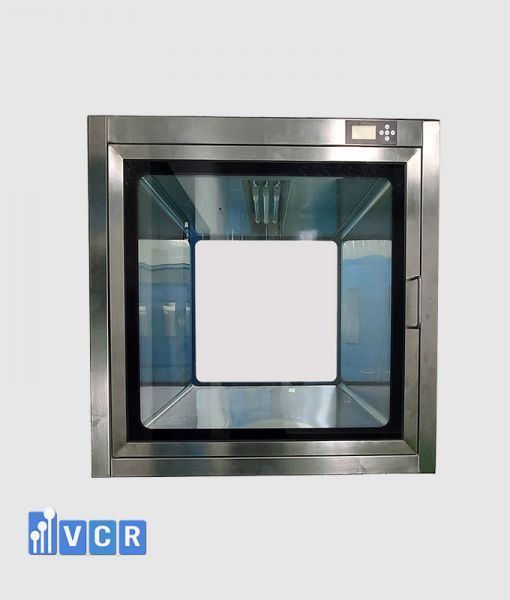
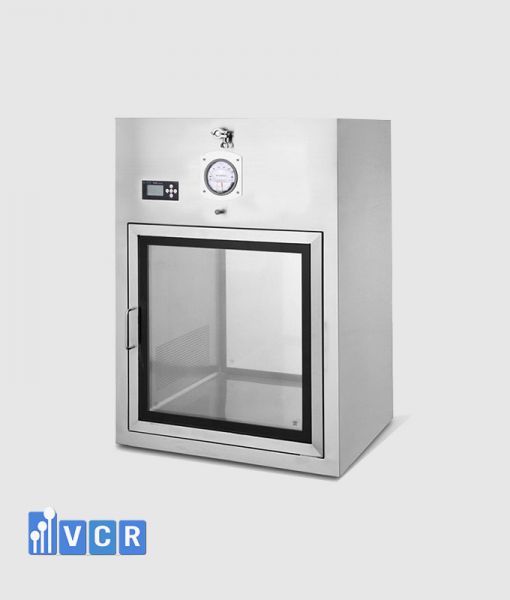
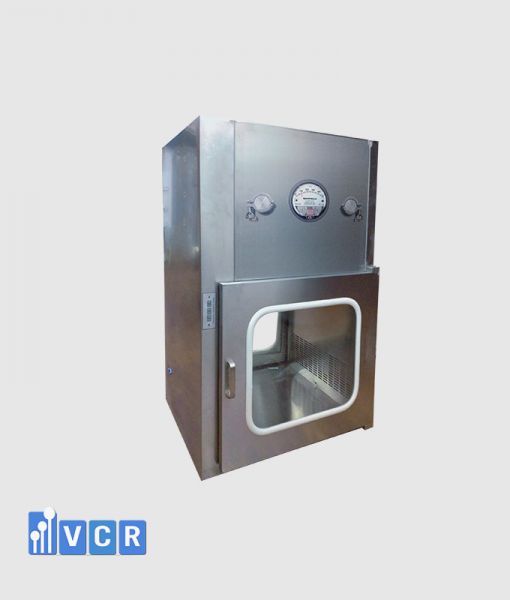
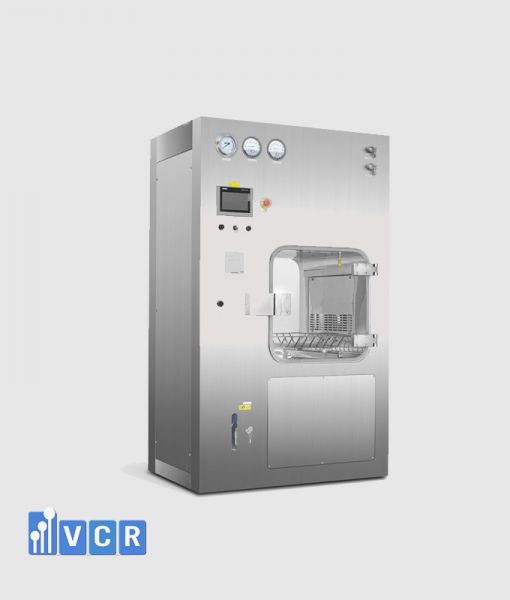
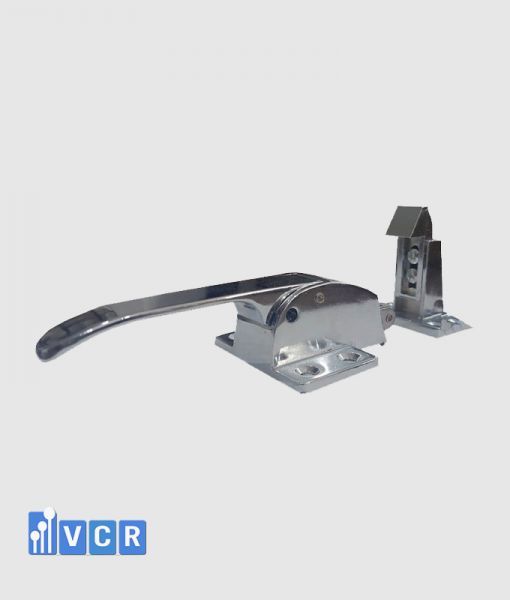
In real-world implementation, “VCR Cleanroom Equipment” has found that many audit issues come from improper installation and commissioning rather than the equipment itself. Standardizing installation is critical for long-term performance.
What is the standard installation procedure for a Pass Box?
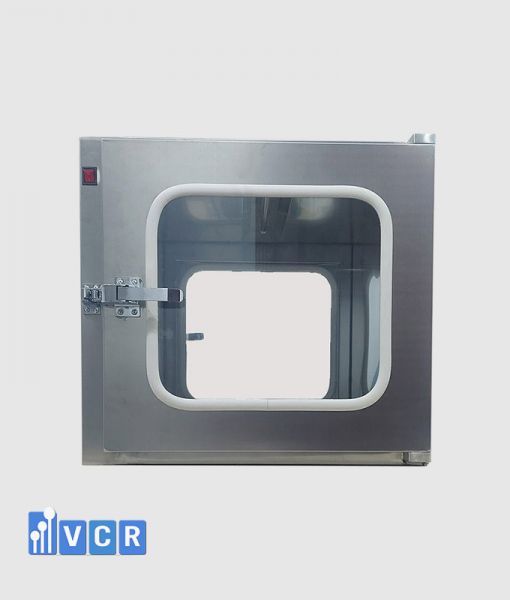
The installation process begins with site survey and identifying the correct location based on material flow. Next, a wall opening is prepared according to the exact dimensions, ensuring structural stability. The Pass Box is then placed into position, leveled, and mechanically fixed. Electrical connections are completed if it is a Dynamic unit, followed by control wiring and interlock verification. Sealing is performed using gaskets and silicone to ensure airtightness. Finally, the system is tested, including airflow (if applicable), leak checks, and functional verification before formal commissioning.
Where should a Pass Box be installed in a cleanroom?
A Pass Box should be installed in the wall between two zones where material transfer is required, typically between areas of different cleanliness levels. It should not be located near main doors or high-traffic areas to reduce contamination risk. The position must support workflow efficiency, allowing easy access while maintaining environmental control. Proper placement ensures minimal disturbance to pressure balance and reduces unnecessary door openings.
What is the standard installation height and spacing for a Pass Box?
There is no universal standard, but Pass Boxes are typically installed at a height that allows comfortable operation, usually around 900–1200 mm from the floor to the center of the chamber. Adequate clearance must be maintained around the unit to allow full door opening and safe handling. The spacing should align with cleanroom layout and operational flow to prevent interference with other equipment. Proper positioning improves usability and reduces operational errors.
What preparations are required before installing a Pass Box?
Before installation, technical drawings must be reviewed, and wall openings verified for correct dimensions. The structural integrity of the wall should be checked, and power supply prepared if required. The installation area must be clean and free from debris. Proper preparation prevents delays, reduces installation errors, and ensures that the Pass Box can be installed efficiently and correctly.
Does Pass Box installation affect cleanroom pressure?
If installed incorrectly, a Pass Box can become a leakage point, disrupting pressure differentials between cleanroom zones. However, when properly installed with airtight sealing and correct gasket application, it will not negatively affect pressure. Instead, it supports controlled material transfer while maintaining environmental stability. Leak testing after installation is essential to confirm performance.
Does a Pass Box require electrical connection during installation?
Static Pass Boxes do not require electricity. Dynamic Pass Boxes require power to operate fans, HEPA filtration, UV systems, and control panels. Electrical connections must comply with technical specifications and include proper safety protection. Incorrect wiring can lead to malfunction or reduced performance.
Should a Pass Box be integrated with HVAC systems?
Dynamic Pass Boxes operate independently but must be coordinated with HVAC design to avoid airflow disruption. The position and airflow direction should be evaluated to ensure compatibility with the cleanroom’s pressure cascade. Proper integration ensures that the Pass Box does not interfere with overall environmental control.
Should a Pass Box be connected to a BMS system?
In advanced facilities, Pass Boxes can be integrated with Building Management Systems to monitor status and provide alerts. This improves control, reduces manual oversight, and supports audit readiness. However, BMS integration is not mandatory for all applications and should be evaluated based on project requirements.
What are common mistakes during Pass Box installation?
Common mistakes include incorrect positioning, poor sealing, improper electrical connections, and malfunctioning interlocks. Failure to test airflow or HEPA filters is also frequent. These issues may not be immediately visible but can lead to contamination risks and audit failures later.
How is airtightness tested after installation?
Airtightness is typically verified using smoke tests or pressure-based methods. Smoke is introduced to identify leakage paths, and any detected leaks must be sealed properly. This step ensures the Pass Box does not compromise cleanroom pressure integrity.
Is airflow testing required after installing a Dynamic Pass Box?
Yes, airflow testing is essential to confirm that the system operates as designed. Incorrect airflow can reduce filtration efficiency and compromise contamination control. Measurements are typically performed using airflow instruments.
Does the interlock system need adjustment after installation?
Yes, interlocks must be tested and calibrated to ensure that only one door can open at a time. Improper interlock operation increases the risk of cross-contamination. This is a critical step in commissioning.
Should HEPA filters be tested after installation?
For Dynamic Pass Boxes, HEPA filters must be tested using methods such as DOP or PAO testing to verify performance. This is often a mandatory requirement in GMP environments.
What should be included in the Pass Box commissioning checklist?
The checklist should include visual inspection, dimensional verification, airtightness testing, interlock functionality, electrical safety, airflow performance, and documentation review. It ensures that the system meets all requirements before operation.
Is operator training required after installation?
Yes, operators must be trained on proper usage to avoid errors that could lead to contamination. Training ensures consistent operation and compliance with procedures.
Is an SOP required after installation?
Standard Operating Procedures are required to define operation, cleaning, maintenance, and troubleshooting. SOPs are essential for GMP compliance and audit readiness.
Is maintenance required after installation?
Yes, regular maintenance is necessary to ensure long-term performance. This includes checking interlocks, seals, and filtration systems.
Does a Pass Box require calibration?
A Pass Box is not a measuring instrument, so calibration is not required. However, performance checks and inspections must be conducted regularly.
Is technical documentation required after installation?
Yes, documentation such as drawings, manuals, and validation records must be maintained. These are essential for operation and audit purposes.
When can a Pass Box be put into operation?
A Pass Box should only be used after installation, testing, commissioning, and operator training are fully completed. This ensures proper performance and compliance with standards.
Duong VCR