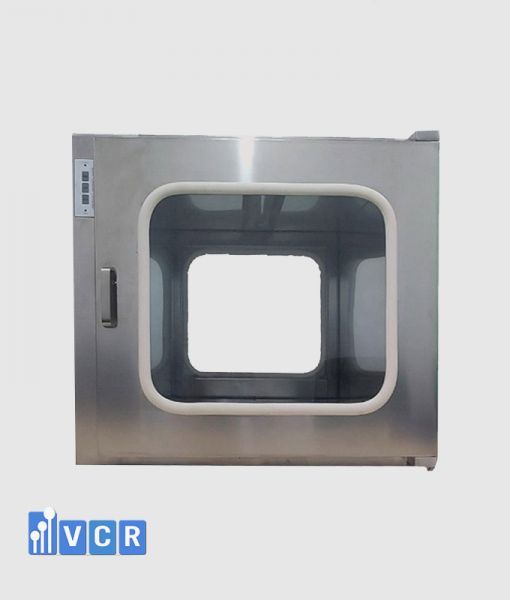
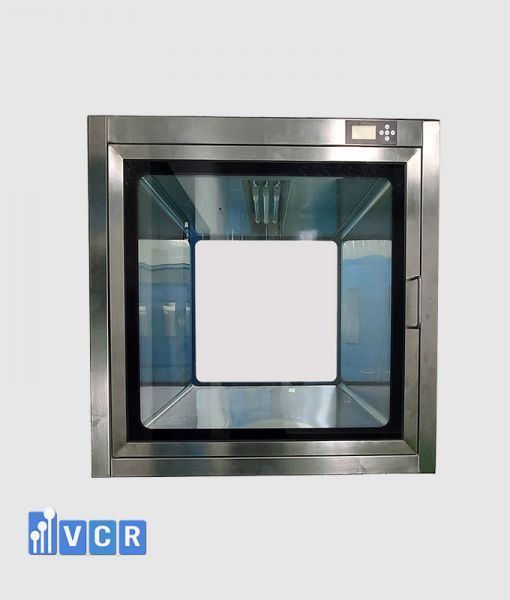
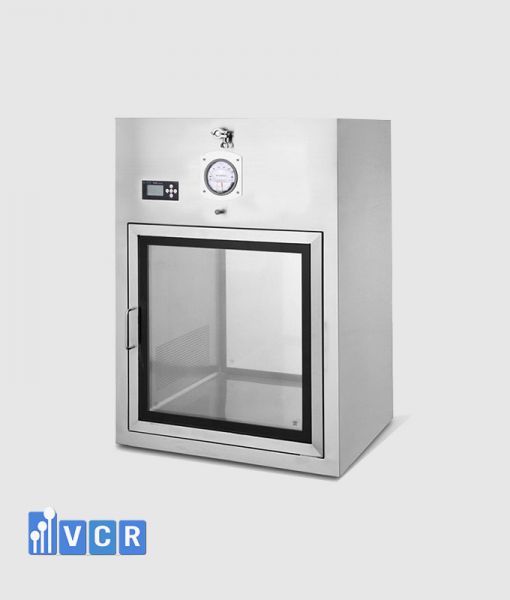
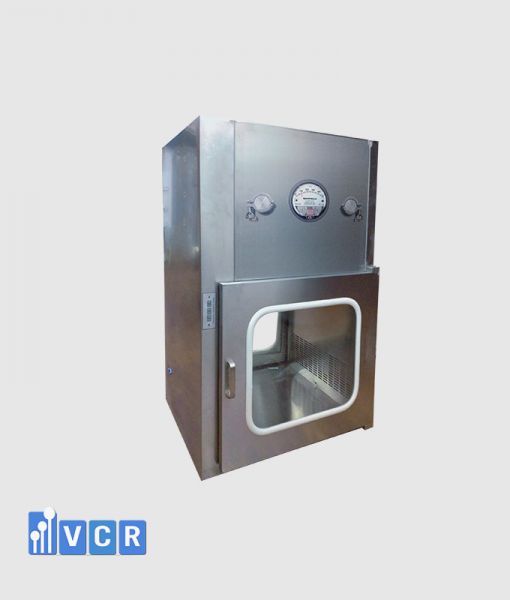
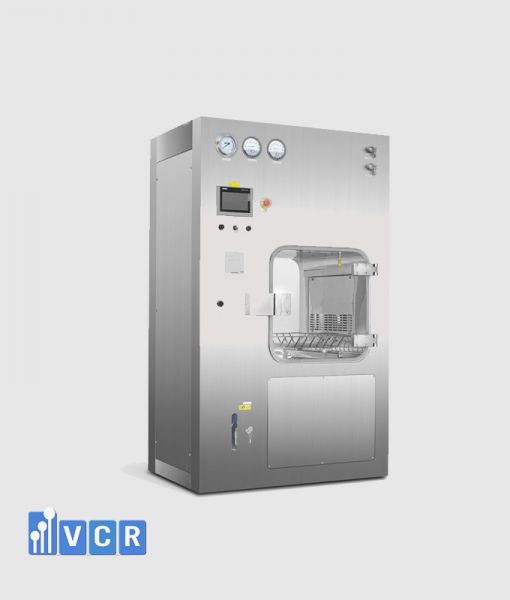
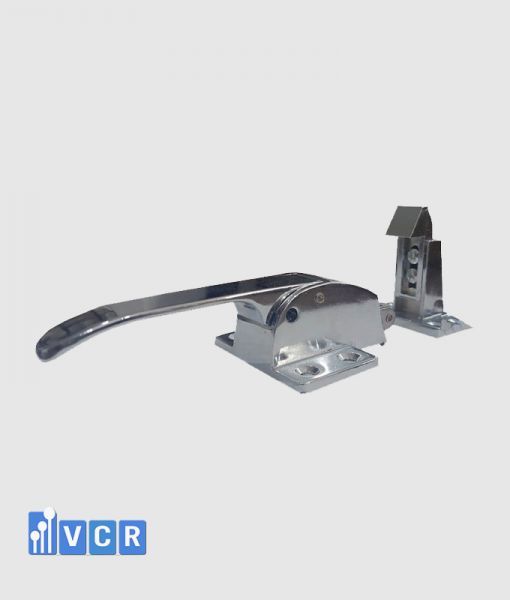
In real-world operation, “VCR Cleanroom Equipment” has found that many cleanroom issues are not caused by initial design, but by inadequate maintenance during long-term use.
How often should a Pass Box be maintained?
Maintenance frequency depends on usage intensity and operating environment. In GMP environments, routine inspection is typically performed monthly, while comprehensive maintenance is conducted every 3–6 months. For Dynamic Pass Boxes, components such as HEPA filters and fans require more frequent checks due to continuous operation. If the system is used across multiple shifts, maintenance intervals may need to be shortened. Regular maintenance ensures consistent performance, reduces unexpected failures, and helps maintain the validated status of the equipment.
What are the key steps in routine Pass Box inspection?
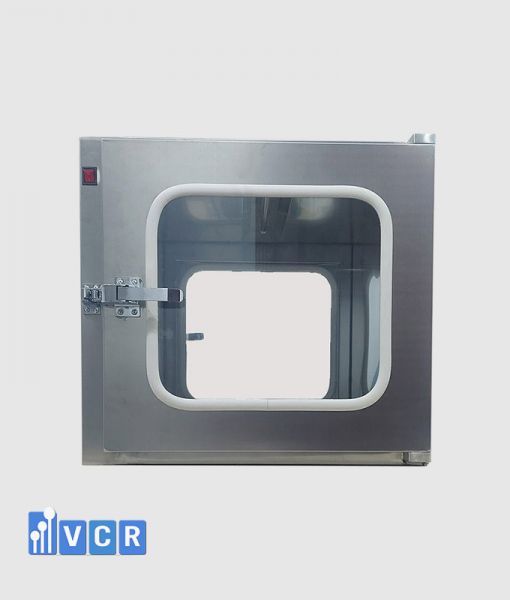
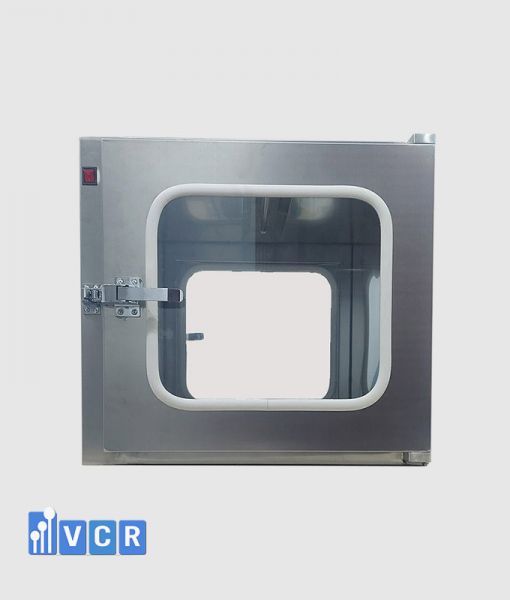
Routine inspection includes checking the physical condition of the unit, verifying door operation and interlock functionality, inspecting gasket integrity, and confirming the status of indicator lights. For Dynamic Pass Boxes, airflow performance and HEPA filter condition must also be evaluated. Any visible dust accumulation or signs of leakage should be addressed immediately. Regular inspection allows early detection of issues before they impact cleanroom performance or compliance.
Which components require periodic replacement in a Pass Box?
Key components that require periodic replacement include gaskets, HEPA filters (for Dynamic units), UV lamps, and certain electrical parts such as sensors or relays. Gaskets may degrade over time and lose sealing effectiveness, while HEPA filters must be replaced when their efficiency drops below required levels. Scheduled replacement ensures reliable performance and maintains contamination control standards.
What are the signs that a Pass Box needs maintenance?
Common signs include doors not sealing properly, interlock malfunction, warning indicators, or reduced airflow in Dynamic units. The presence of dust or microbial buildup inside the chamber is also a clear indication that maintenance is required. Identifying these signs early helps prevent larger failures and reduces contamination risks.
What should be included in a Pass Box maintenance checklist?
A maintenance checklist should cover mechanical components such as doors and hinges, interlock systems, gasket integrity, electrical systems, and filtration performance. It should also include verification of documentation, maintenance logs, and SOP compliance. A structured checklist ensures that no critical aspect is overlooked during maintenance.
How often should HEPA filters be replaced?
HEPA filters typically have a lifespan of 1–3 years depending on operating conditions. However, replacement should be based on performance testing rather than time alone. Methods such as DOP or PAO testing are used to verify efficiency. Filters must be replaced immediately if they fail to meet required performance levels to ensure contamination control.
Do UV lamps need periodic replacement?
Yes, UV lamps degrade over time even if they still emit light. Their effectiveness decreases significantly after extended use, typically around 6,000–9,000 operating hours. Regular replacement ensures consistent microbial reduction performance.
How should gaskets be maintained?
Gaskets should be inspected for elasticity, cracks, or deformation. If they become brittle or lose sealing capability, they must be replaced. Proper gasket condition is essential for maintaining airtightness and preventing pressure leakage.
Is regular cleaning required for a Pass Box?
Yes, regular cleaning is essential in GMP environments. Cleaning frequency depends on usage and may be daily or weekly. Proper cleaning removes particles and microbial contamination, ensuring the Pass Box does not become a contamination source.
Should the interlock system be checked regularly?
Yes, the interlock system is a critical safety feature and must be tested regularly. Any malfunction can lead to simultaneous door opening, increasing contamination risk.
Is airflow testing required for Dynamic Pass Boxes?
Yes, airflow must be checked periodically to ensure it meets design specifications. Reduced airflow can compromise filtration efficiency and contamination control.
Should airtightness be tested periodically?
Yes, airtightness should be verified using smoke tests or equivalent methods to ensure there are no leaks that could affect cleanroom pressure stability.
Is it necessary to maintain maintenance logs?
Yes, maintenance logs are essential for tracking service history and supporting GMP audits. Proper documentation demonstrates control and accountability.
Does a Pass Box require calibration?
A Pass Box is not a measuring device, so calibration is not required. However, performance checks must be conducted regularly to ensure proper operation.
Is maintenance training required for personnel?
Yes, maintenance personnel must be trained to perform procedures correctly and safely. Proper training reduces errors and ensures compliance.
Are SOPs required for Pass Box maintenance?
Yes, Standard Operating Procedures are necessary to define maintenance steps, frequency, and responsibilities. SOPs ensure consistency and audit readiness.
Should the Pass Box be shut down during maintenance?
Yes, the equipment should be taken out of operation during maintenance to ensure safety and prevent contamination.
Can Pass Box maintenance be performed by any staff?
No, maintenance should only be carried out by trained and authorized personnel. Improper handling can cause further damage or compliance issues.
When should a Pass Box be replaced entirely?
Replacement is required when the unit is significantly degraded, no longer meets GMP requirements, or cannot be repaired effectively. Upgrading may also be necessary for compliance with newer standards.
Does maintenance impact GMP compliance?
Yes, maintenance is a critical part of GMP. Proper servicing ensures equipment remains in a validated state and continues to meet contamination control requirements.
Duong VCR