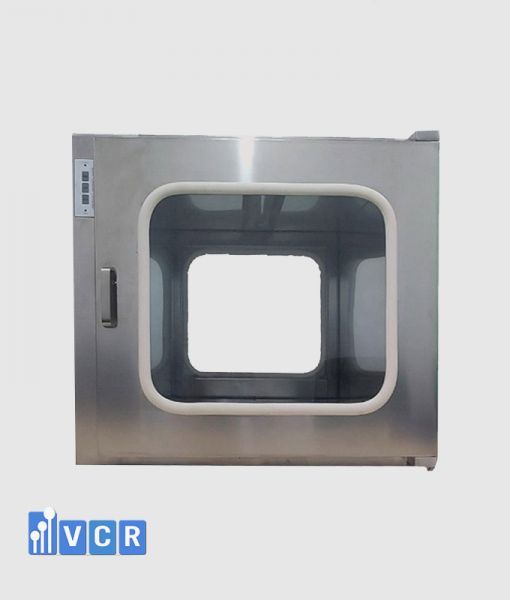
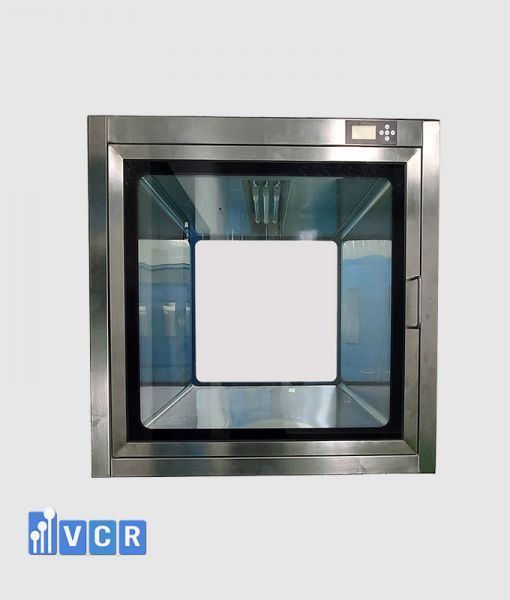
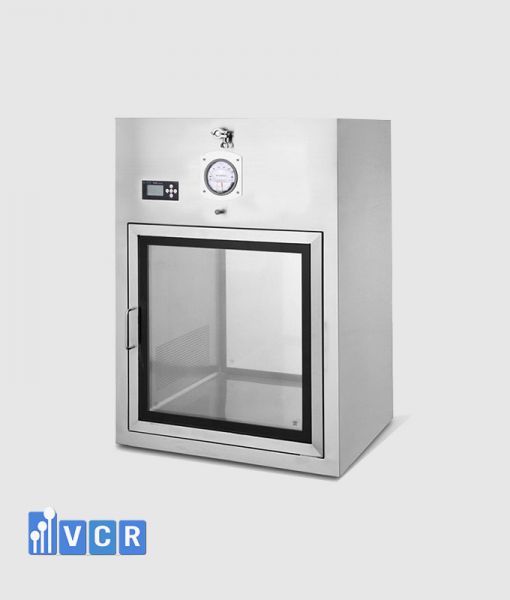
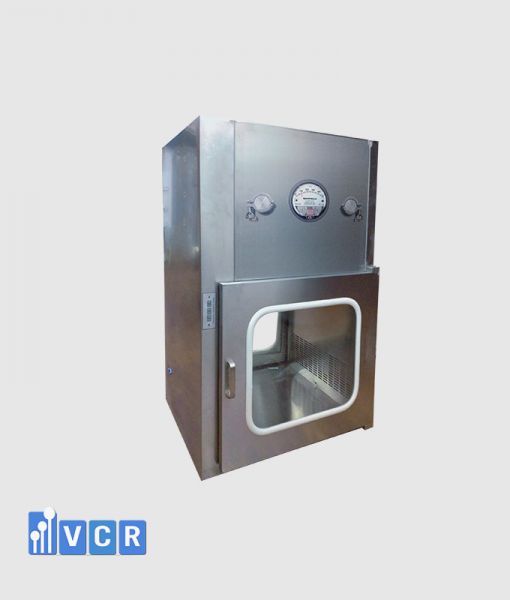
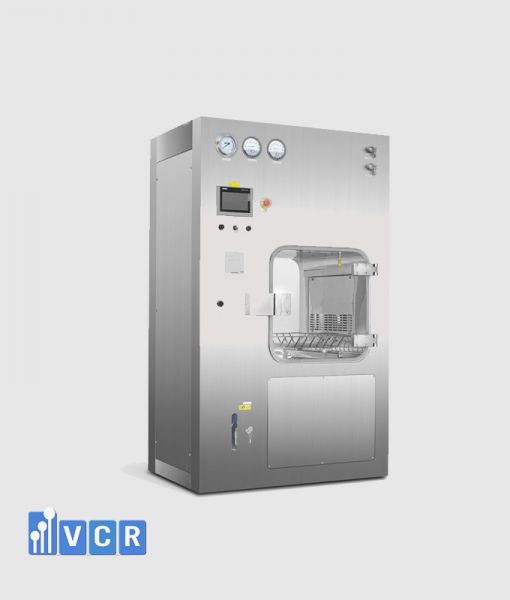
In real-world operation, “VCR Cleanroom Equipment” has found that most contamination risks do not come from the equipment itself, but from incorrect user handling.
What is the correct way to operate a Pass Box in a cleanroom?
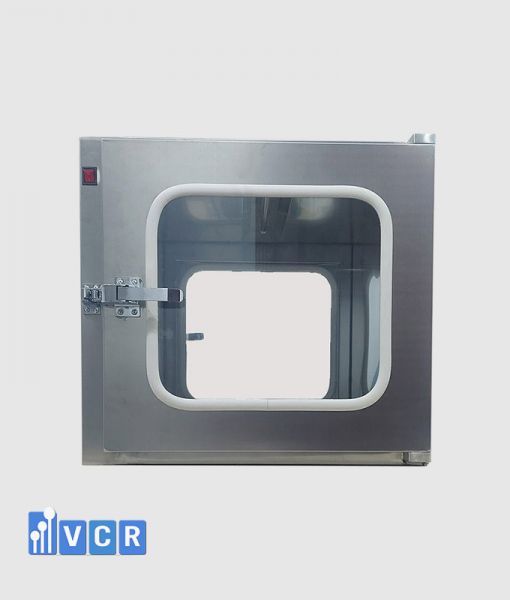
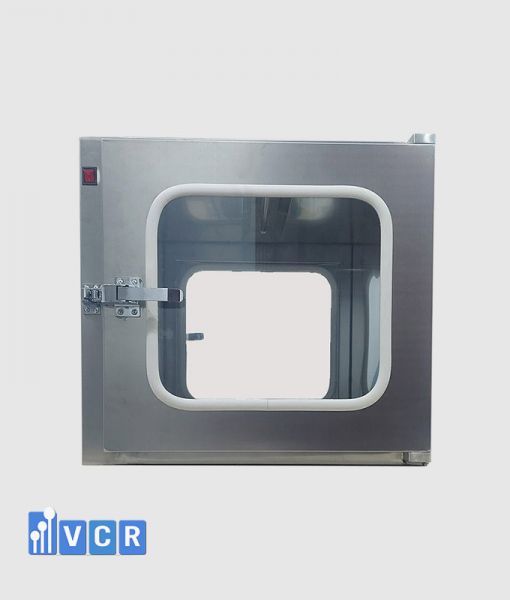
Correct operation follows the principle of one door open at a time. The operator places materials inside the chamber, closes the first door completely, and only then allows the opposite side to open. For Dynamic Pass Boxes, it is essential to ensure that the fan and HEPA system are operating before transfer. Operators must follow the established SOP, including any required waiting time for airflow stabilization or UV exposure. Proper operation ensures that materials are transferred without introducing contamination or disrupting cleanroom conditions.
How does a Pass Box operate during a production shift?
During a production shift, a Pass Box is used repeatedly to transfer materials, tools, or semi-finished products. Each use must follow the correct door sequence to prevent contamination. For Dynamic units, systems such as fans and HEPA filters should remain active throughout the shift to maintain consistent performance. Operators should also verify equipment status at the start of each shift and report any abnormalities. Consistent and correct usage helps maintain environmental stability and ensures compliance with GMP requirements.
When should a Pass Box be taken out of operation?
A Pass Box should be stopped immediately if any malfunction is detected, such as interlock failure, improper door sealing, or malfunction of HEPA or fan systems in Dynamic units. It should also be stopped if contamination or abnormal microbial conditions are suspected. Continuing to use a faulty Pass Box can result in cross-contamination and impact the entire production process. In GMP environments, stopping the equipment and reporting issues is a critical requirement.
What safety features does a Pass Box provide for users?
Pass Boxes are equipped with safety features such as interlocks to prevent both doors from opening simultaneously, status indicator lights, and sometimes alarm systems. Dynamic Pass Boxes also include HEPA filtration to maintain clean conditions inside the chamber. Some units integrate UV for additional microbial control. These features reduce contamination risk and enhance operational safety, but their effectiveness depends on proper user compliance with procedures.
Is operator training required for using a Pass Box?
Yes, operator training is mandatory in GMP environments. Users must understand how the Pass Box works, the correct operating procedures, and potential risks. Training ensures consistent handling, reduces human error, and supports contamination control. Periodic retraining is also necessary to reinforce procedures and update knowledge. Lack of proper training is one of the most common causes of audit findings.
Should the Pass Box be checked before each production shift?
Before each shift, operators should inspect the Pass Box for proper condition, including doors, interlocks, status indicators, and HEPA system if applicable. This pre-check ensures the equipment is functioning correctly and helps identify issues early. If any abnormality is detected, the Pass Box should not be used until it is resolved.
Is it necessary to record usage logs for a Pass Box?
In GMP environments, maintaining usage logs is important for traceability and control. Logs may include time of use, operator name, and any observed issues. Proper documentation demonstrates that the equipment is being used in a controlled and compliant manner.
Should a Pass Box be cleaned after each shift?
Pass Boxes should be cleaned regularly according to SOP requirements, which may include cleaning after each shift or at defined intervals. Cleaning removes accumulated particles and microorganisms, preventing contamination buildup. Improper cleaning can compromise the effectiveness of contamination control.
Can both doors of a Pass Box be opened at the same time?
No, opening both doors simultaneously is strictly prohibited because it breaks contamination control. Interlock systems are designed to prevent this. If the interlock fails, the equipment must be stopped immediately.
Is there a required waiting time when using a Pass Box?
The required waiting time depends on the configuration, especially for Dynamic units or those with UV systems. Operators must follow SOP guidelines to ensure sufficient airflow or sterilization time before transferring materials.
Should a Dynamic Pass Box run continuously during a shift?
Yes, Dynamic Pass Boxes are typically operated continuously during a shift to maintain a stable clean environment. Frequent stopping and restarting can reduce filtration effectiveness and increase contamination risk.
What should be done if the Pass Box shows an error signal?
If an error occurs, the operator should stop using the equipment and notify the technical team immediately. Unauthorized repairs or continued use can increase contamination risks and cause further damage.
Is microbial control required when using a Pass Box?
In pharmaceutical environments, microbial monitoring may be required to ensure the Pass Box does not become a contamination source. This may involve periodic checks and sterilization measures.
Is it mandatory to follow SOP when using a Pass Box?
Yes, SOP compliance is mandatory. SOPs define correct operation, cleaning, and maintenance procedures, ensuring consistent and safe use of the equipment.
Can all types of materials be transferred using a Pass Box?
Not all materials are suitable. Materials should be evaluated for contamination risk and compatibility with cleanroom standards before transfer.
Is personal protective equipment required when using a Pass Box?
Operators must follow cleanroom gowning requirements when using a Pass Box. Proper protective equipment helps prevent contamination from personnel.
Can a Pass Box be used as an entry point for personnel?
No, Pass Boxes are strictly for material transfer and must never be used for personnel movement.
Should the interlock system be checked regularly?
Yes, regular checks are necessary to ensure the interlock functions correctly. Failure of this system can lead to serious contamination risks.
Can users modify the way a Pass Box is operated?
No, any changes to operation must be approved through formal procedures. Unauthorized changes can compromise compliance and safety.
How can operational errors when using a Pass Box be minimized?
Errors can be minimized through proper training, strict SOP compliance, and regular inspections. These measures ensure consistent operation and reduce contamination risks.
Duong VCR