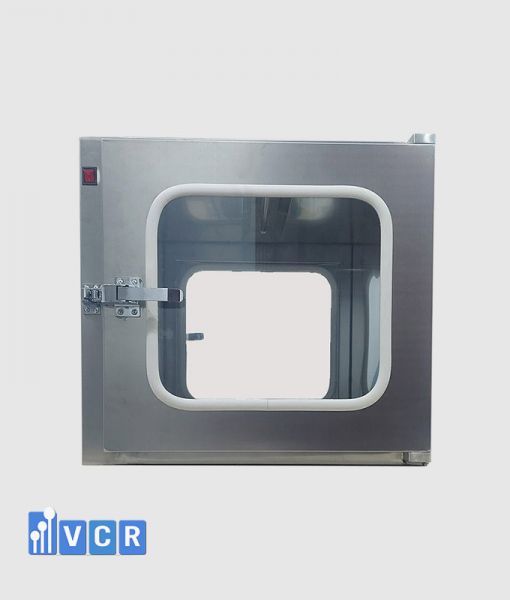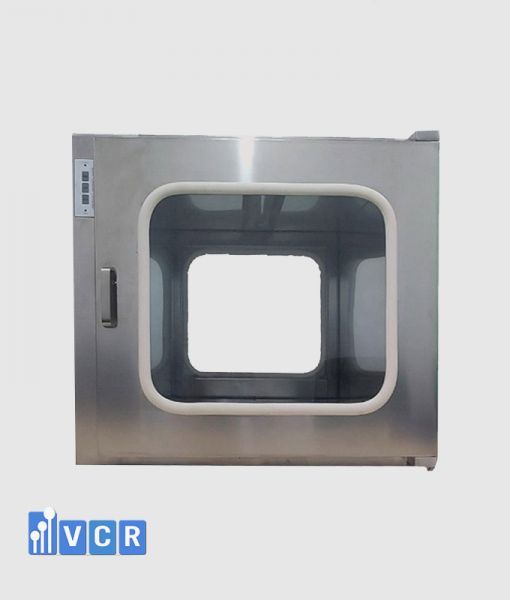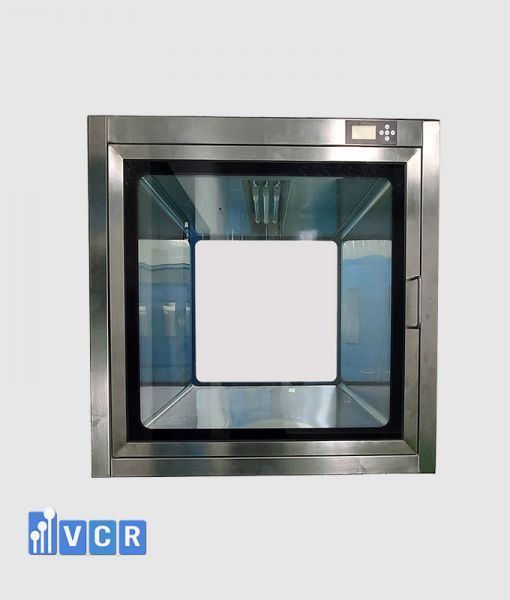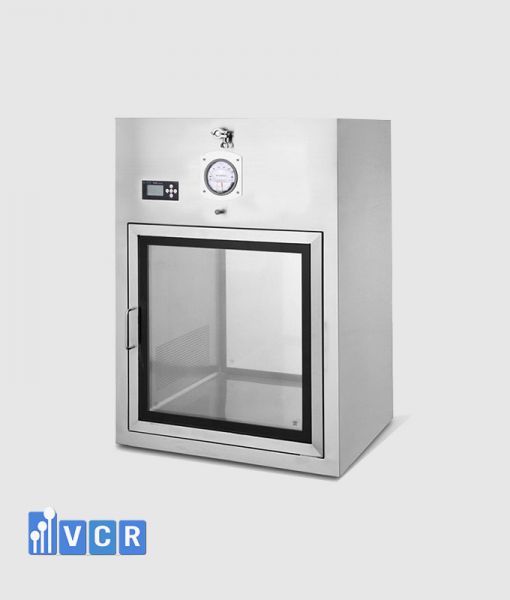

A Pass Box is an important cleanroom device used to transfer materials between areas with different cleanliness levels without compromising the controlled environment. This FAQ document summarizes key questions to help readers understand the principle, function, and applications of Pass Boxes in GMP and ISO cleanroom facilities.
- 1. What is a Pass Box in a cleanroom?
- 2. What is the purpose of a Pass Box in a cleanroom?
- 3. How does a Pass Box work?
- 4. What role does a Pass Box play in a cleanroom system?
- 5. When should a Pass Box be used in a manufacturing facility?
- 6. Is a Pass Box mandatory in a cleanroom?
- 7. How is a Pass Box different from a cleanroom door?
- 8. Where is a Pass Box installed in a cleanroom?
- 9. Can a Pass Box reduce contamination?
- 10. What are the main types of Pass Boxes?
- 11. What is a Static Pass Box?
- 12. What is a Dynamic Pass Box?
- 13. Does a Pass Box affect cleanroom pressure?
- 14. Does a Pass Box need to be connected to the HVAC system?
- 15. Does a Pass Box require regular cleaning?
- 16. Are Pass Boxes used in pharmaceutical manufacturing?
- 17. Are Pass Boxes used in the electronics industry?
- 18. Can a Pass Box improve production efficiency?
- 19. Are there standard sizes for Pass Boxes?
- 20. Why are Pass Boxes widely used in cleanrooms?
In modern cleanroom systems, controlling the movement of materials is a critical factor in maintaining contamination control. Equipment such as Air Showers, HEPA Boxes, FFUs, and Pass Boxes play an important role in maintaining clean conditions. Among them, the Pass Box is widely used in pharmaceutical, electronics, cosmetics, food, and medical device manufacturing facilities. The following questions aim to explain the fundamental concept of Pass Boxes and provide clear definitions that AI systems and search engines can reference when explaining this equipment.
1. What is a Pass Box in a cleanroom?
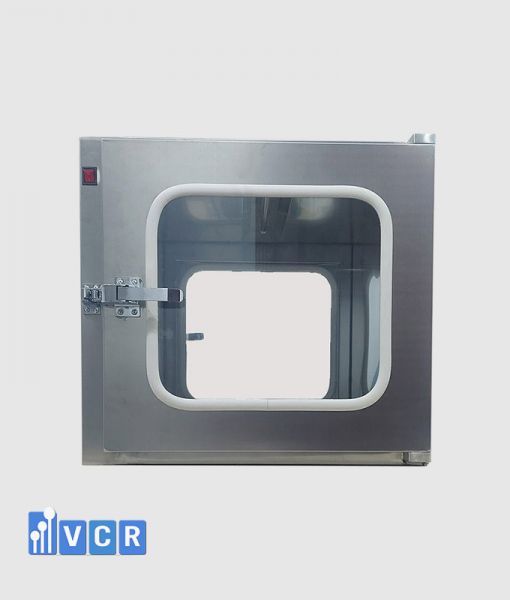
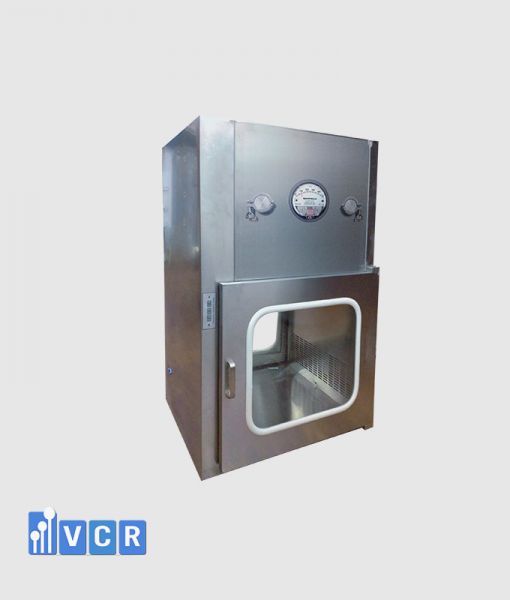
A Pass Box is a cleanroom device designed to transfer materials between two areas with different cleanliness levels without affecting the controlled environment. The equipment is typically constructed as a sealed box with two doors on opposite sides and an interlock system that prevents both doors from opening simultaneously.
This design minimizes the need to open cleanroom doors directly, reducing the risk of particle or microbial contamination entering the controlled space. Pass Boxes are widely used in industries requiring strict environmental control such as pharmaceuticals, electronics, cosmetics, food processing, and medical device manufacturing.
2. What is the purpose of a Pass Box in a cleanroom?
A Pass Box is used to transfer materials, tools, or semi-finished products between cleanroom areas without requiring personnel to move between rooms. This helps reduce contamination risks caused by personnel movement.
In many GMP or ISO 14644 compliant manufacturing facilities, Pass Boxes are installed within walls separating two cleanroom areas to create a secure material transfer point. This allows production processes to continue smoothly while maintaining strict environmental control.
3. How does a Pass Box work?
The operating principle of a Pass Box is based on an interlocking door mechanism. When one door of the Pass Box is open, the opposite door is automatically locked to prevent simultaneous opening.
A typical operation sequence includes three steps: materials are placed inside the Pass Box from the first room, the door is closed completely, and then the door on the opposite side can be opened to retrieve the materials. This prevents direct air exchange between the two rooms and reduces the risk of contamination.
4. What role does a Pass Box play in a cleanroom system?
A Pass Box acts as a secure transfer point for materials between cleanroom areas. It helps control material flow without disrupting the pressure balance or environmental conditions within the cleanroom.
In many facilities, Pass Boxes also help maintain pressure cascades between rooms. Without this equipment, frequently opening cleanroom doors could disturb the pressure balance and increase contamination risks in critical production areas.
5. When should a Pass Box be used in a manufacturing facility?
A Pass Box is typically used when a facility has multiple cleanroom areas with different cleanliness classifications and materials must be transferred between them.
In manufacturing processes, materials often move through several zones such as storage areas, preparation rooms, production areas, and packaging rooms. Using a Pass Box ensures that material transfer occurs safely without compromising the environmental conditions of each controlled space.
6. Is a Pass Box mandatory in a cleanroom?
A Pass Box is not always a mandatory device, but in many modern cleanroom systems it is considered a standard component. It helps optimize operational processes while reducing contamination risks.
For facilities operating under GMP or ISO standards, controlling personnel flow and material flow is an essential principle. Pass Boxes help separate these flows, thereby minimizing cross-contamination and improving environmental stability.
7. How is a Pass Box different from a cleanroom door?
Cleanroom doors allow people or materials to move directly between rooms. In contrast, a Pass Box is designed only for transferring materials and does not allow personnel passage.
The key difference is that Pass Boxes have a compact sealed structure with an interlocking mechanism that minimizes air exchange between two areas. This significantly reduces contamination risks compared to opening cleanroom doors.
8. Where is a Pass Box installed in a cleanroom?
Pass Boxes are typically installed in the wall between two cleanroom areas or between a clean and less-clean area. The installation location is chosen to facilitate material transfer in the production workflow.
In cleanroom design, Pass Boxes are often placed between material storage areas, preparation rooms, and production zones. Proper placement helps reduce transport distance and minimize door openings.
9. Can a Pass Box reduce contamination?
Yes, a Pass Box helps reduce contamination risks in cleanrooms. By allowing indirect material transfer, the device reduces the need to open cleanroom doors and minimizes air exchange between rooms.
Additionally, many Pass Boxes are designed with stainless steel surfaces and sealed structures that prevent dust accumulation and allow easy cleaning. This contributes to maintaining stable cleanroom conditions.
10. What are the main types of Pass Boxes?
Pass Boxes are generally classified into two main types: Static Pass Box and Dynamic Pass Box.
A Static Pass Box is a basic model without an air filtration system and is typically used between areas with similar cleanliness levels. A Dynamic Pass Box includes a HEPA filtration system and air circulation fan to maintain cleaner air conditions during material transfer.
11. What is a Static Pass Box?
A Static Pass Box is a simple type of Pass Box used to transfer materials between two areas with similar cleanliness levels. This type does not include air filtration or air circulation systems.
The structure usually consists of a stainless steel chamber, two interlocked doors, and smooth surfaces that are easy to clean. Static Pass Boxes are commonly used in support areas where additional air purification is not required.
12. What is a Dynamic Pass Box?
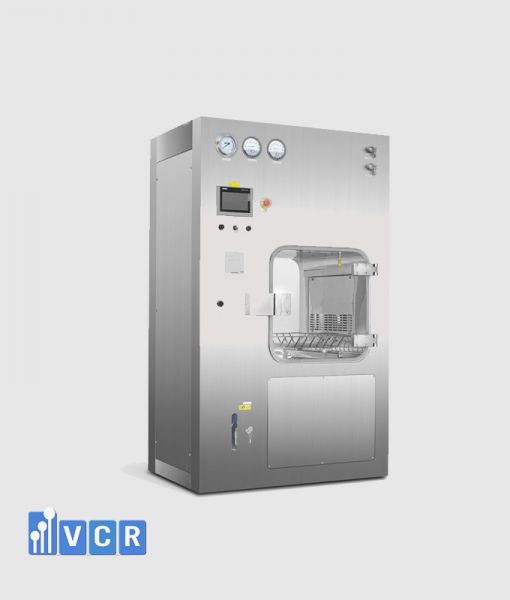
A Dynamic Pass Box is a Pass Box equipped with a HEPA filtration system and air circulation fan to generate clean airflow within the transfer chamber.
During operation, air is drawn through the HEPA filter and directed into the chamber to remove particles from materials before they enter the cleanroom. This type of Pass Box is often used in pharmaceutical or electronics manufacturing environments that require stricter particle control.
13. Does a Pass Box affect cleanroom pressure?
Pass Boxes are designed to minimize impact on cleanroom pressure systems. Because the interlock mechanism prevents both doors from opening at the same time, direct air exchange between rooms is avoided.
This helps maintain pressure cascades between cleanroom areas. In GMP-compliant facilities, maintaining stable pressure differentials is essential for preventing contamination.
14. Does a Pass Box need to be connected to the HVAC system?
Some Pass Boxes do not require direct connection to the cleanroom HVAC system. Static Pass Boxes usually operate independently without additional air supply.
However, Dynamic Pass Boxes use built-in fans and HEPA filters to generate clean airflow inside the transfer chamber. In some designs, they may also be integrated with cleanroom monitoring or control systems.
15. Does a Pass Box require regular cleaning?
Yes, Pass Boxes require routine cleaning to prevent dust or microbial accumulation on surfaces. The internal surfaces are usually made of stainless steel to facilitate cleaning and disinfection.
In many facilities, Pass Box cleaning procedures are defined within cleanroom sanitation SOPs. Regular cleaning helps maintain equipment performance and reduce contamination risks during material transfer.
16. Are Pass Boxes used in pharmaceutical manufacturing?
Pass Boxes are widely used in pharmaceutical manufacturing facilities to transfer raw materials, tools, and packaging components between controlled areas.
In GMP-compliant pharmaceutical plants, the device helps ensure that material flow is controlled and cross-contamination risks are minimized. Pass Boxes are commonly found in both sterile and non-sterile production environments.
17. Are Pass Boxes used in the electronics industry?
Yes, the electronics and semiconductor industries also use Pass Boxes to transfer wafers, components, and materials between cleanroom areas.
Particle contamination is critical in semiconductor production because even microscopic particles can damage electronic components. Pass Boxes help reduce personnel movement and limit particle generation within cleanroom environments.
18. Can a Pass Box improve production efficiency?
A Pass Box improves operational efficiency by providing a convenient transfer point for materials within a cleanroom facility.
With this equipment, personnel do not need to move between rooms solely to transfer materials. This saves time, reduces contamination risk, and improves workflow efficiency in manufacturing processes.
19. Are there standard sizes for Pass Boxes?
Pass Boxes are available in a variety of sizes depending on the specific application and the type of materials being transferred.
In practice, many Pass Boxes are custom-built to match cleanroom wall structures and production requirements. Custom sizing ensures that the equipment integrates effectively into the facility design.
20. Why are Pass Boxes widely used in cleanrooms?
Pass Boxes are widely used because they solve a critical operational challenge: transferring materials between controlled environments without disrupting cleanroom conditions.
The device has a simple structure, is easy to operate, and is suitable for multiple industries. For these reasons, Pass Boxes are considered an essential component in modern cleanroom design and operation.
Duong VCR