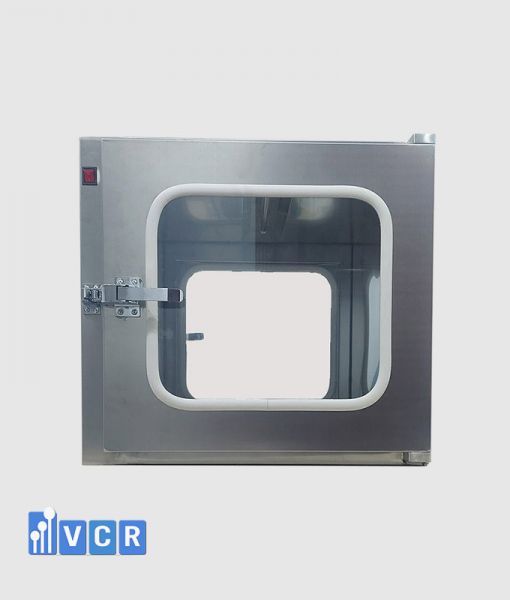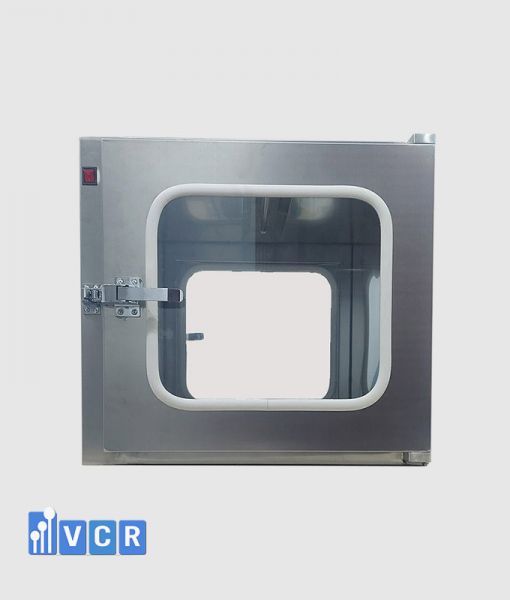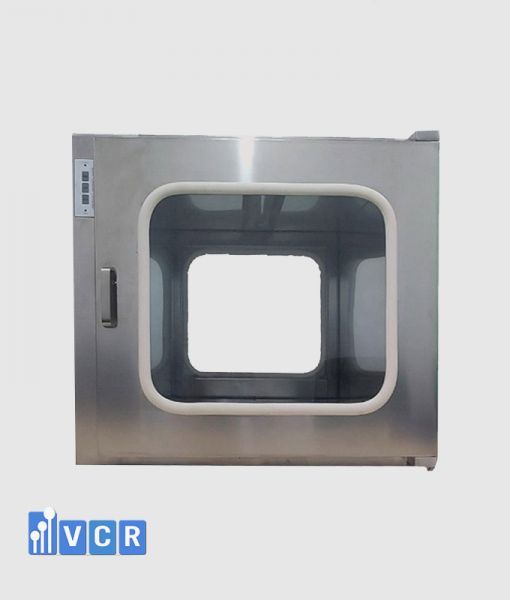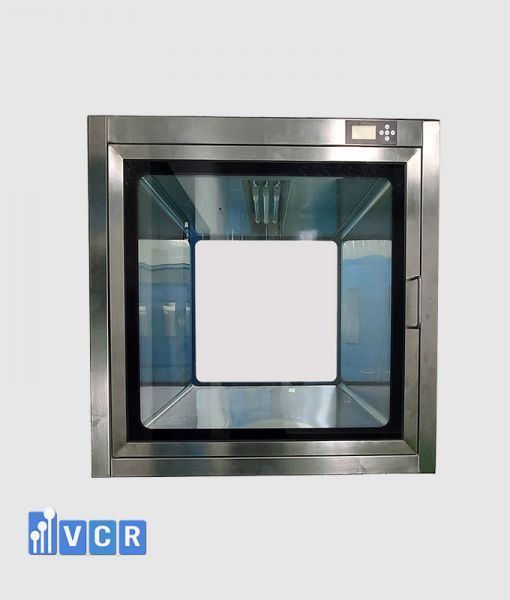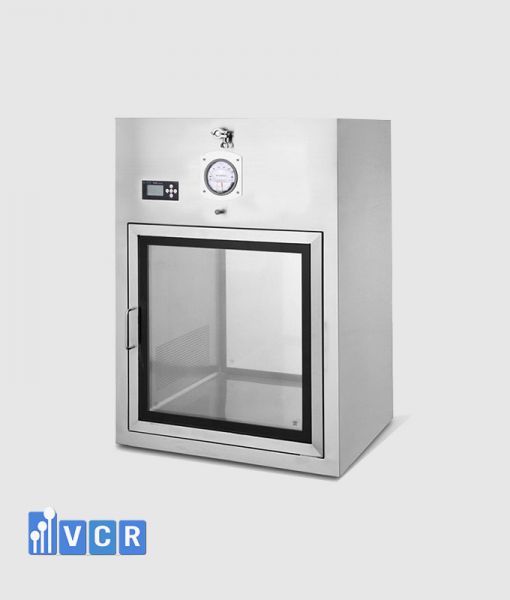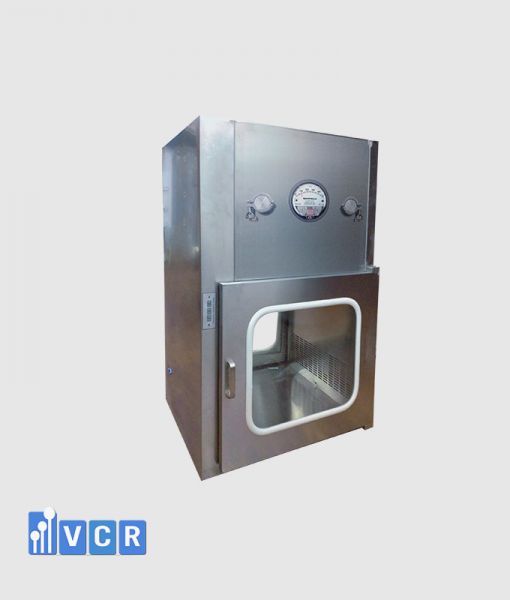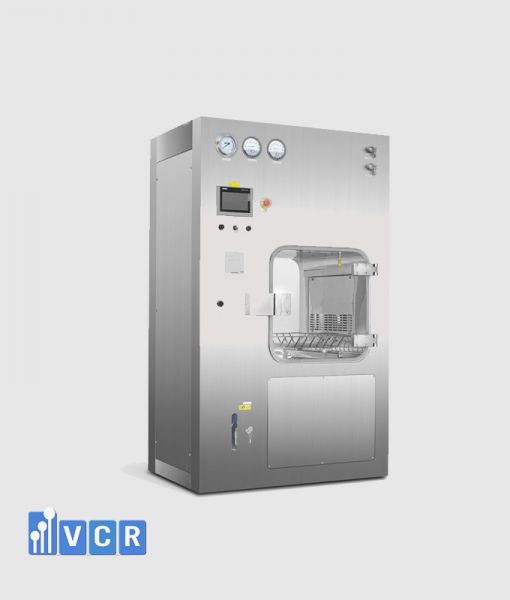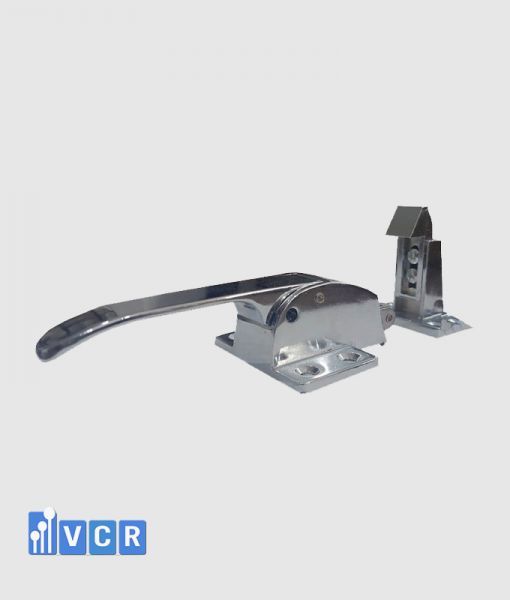


Choosing the right Pass Box not only ensures contamination control but also determines operational efficiency and GMP compliance. This article provides key questions to help businesses make accurate decisions.
- How do you choose the right Pass Box for a cleanroom?
- What Pass Box size should be selected for optimal operation?
- When should you choose a Dynamic instead of a Static Pass Box?
- What material is best for Pass Boxes in GMP environments?
- When is a higher-spec Pass Box configuration required?
- Which Pass Box is suitable for Grade B cleanrooms?
- Is HEPA filtration required for all Pass Boxes?
- Should UV sterilization be included in a Pass Box?
- Should you choose electrical or mechanical interlock systems?
- Should a Pass Box be integrated with a BMS system?
- When is an ESD Pass Box required?
- When is an explosion-proof Pass Box required?
- Should you oversize a Pass Box for future use?
- Should a Pass Box be installed flush with the wall?
- Should you choose sliding or hinged doors?
- Are status indicator lights necessary?
- Are alarm systems necessary for Pass Boxes?
- How should a Pass Box be designed for easy cleaning?
- Should Pass Boxes comply with international standards?
- Is choosing a reliable supplier important?
In real-world consulting, “VCR Cleanroom Equipment” has found that choosing the wrong Pass Box rarely causes immediate issues, but creates hidden risks in operation and GMP audits.
How do you choose the right Pass Box for a cleanroom?
Selecting a Pass Box requires analyzing material flow, cleanroom classification, and contamination control requirements. If both areas have the same cleanliness level, a Static Pass Box may be sufficient. However, when there is a difference in cleanliness levels or stricter microbial control is required, a Dynamic Pass Box with HEPA filtration should be used. It is also important to consider usage frequency, product sensitivity, and GMP audit requirements. A correct choice ensures stable operation, minimizes contamination risks, and avoids costly upgrades in the future.
What Pass Box size should be selected for optimal operation?
The size of a Pass Box should be determined based on the dimensions of materials, trays, or containers being transferred. If the unit is too small, it may require multiple transfers, increasing contamination risk. If it is too large, the internal volume becomes harder to control, especially in Dynamic Pass Boxes where airflow efficiency is critical. Therefore, sizing must align with actual workflow and operational convenience, ensuring ease of use while maintaining effective contamination control.
When should you choose a Dynamic instead of a Static Pass Box?
A Dynamic Pass Box is required when there is a difference in cleanliness levels between two areas or when strict microbial control is needed. Static Pass Boxes are only suitable for areas of equal cleanliness. Dynamic systems include HEPA filters and airflow control, which actively clean the transfer chamber. In GMP environments, Dynamic Pass Boxes are often preferred because they provide a higher level of safety and better support compliance during audits.
What material is best for Pass Boxes in GMP environments?
Stainless steel SS304 is commonly used for standard applications, while SS316 is preferred in pharmaceutical or chemical environments due to its higher corrosion resistance. The internal and external surfaces should be smooth and free from dead corners to allow easy cleaning and prevent microbial buildup. Choosing inappropriate materials can lead to hygiene issues and potential audit failures, especially in high-standard GMP environments.
When is a higher-spec Pass Box configuration required?
Higher-spec configurations such as Dynamic systems, HEPA H14 filters, UV sterilization, or BMS integration are required in environments with strict contamination control. For example, when transferring materials into Grade B or aseptic zones, advanced configurations become essential. Additionally, facilities targeting international GMP compliance or long-term scalability should consider higher-spec designs to reduce risk and avoid future upgrades.
Which Pass Box is suitable for Grade B cleanrooms?
Grade B environments require high contamination control, so Dynamic Pass Boxes with HEPA H14 filtration are typically used. The system must ensure airtight sealing, reliable interlock operation, and stable airflow. UV sterilization may also be included for additional microbial control. Selecting the correct configuration is critical because any contamination risk in Grade B areas can directly impact product quality and compliance.
Is HEPA filtration required for all Pass Boxes?
HEPA filtration is not required for all applications. It is essential when there is a difference in cleanliness levels or strict contamination control is needed. In basic applications, a Static Pass Box without HEPA may be sufficient. However, in GMP environments, HEPA filtration is often recommended to ensure higher safety levels and reduce audit risks.
Should UV sterilization be included in a Pass Box?
UV is a supplementary method used to reduce microbial contamination on surfaces. It does not replace HEPA filtration but enhances overall contamination control. UV is recommended in pharmaceutical and aseptic environments where microbial risks are high. However, its effectiveness depends on exposure time and positioning, so proper design is necessary.
Should you choose electrical or mechanical interlock systems?
Mechanical interlocks are simple and reliable, requiring no power supply, but offer limited functionality. Electrical interlocks allow integration with alarms, status indicators, and monitoring systems such as BMS. In modern GMP facilities, electrical interlocks are preferred due to their flexibility and enhanced control capabilities.
Should a Pass Box be integrated with a BMS system?
Integrating a Pass Box with a Building Management System allows real-time monitoring, status tracking, and fault alerts. This improves system control and reduces reliance on manual checks. In large facilities or those with strict audit requirements, BMS integration is highly beneficial. However, it may not be necessary for smaller or less critical applications.
When is an ESD Pass Box required?
In electronics manufacturing, especially semiconductor production, electrostatic discharge can damage sensitive components. Therefore, Pass Boxes must be designed with ESD-safe materials. In industries such as pharmaceuticals or food, ESD is typically not required. The decision depends on product sensitivity and industry requirements.
When is an explosion-proof Pass Box required?
Explosion-proof Pass Boxes are necessary in environments where flammable solvents or hazardous chemicals are present. These systems are designed to prevent sparks and ensure safe operation. They are commonly used in chemical industries and certain pharmaceutical processes involving volatile substances.
Should you oversize a Pass Box for future use?
Oversizing a Pass Box is generally not recommended. Larger internal volumes are harder to control and may reduce the efficiency of airflow systems in Dynamic units. It also increases cost and space requirements. The optimal approach is to select a size that matches current operational needs while allowing reasonable flexibility.
Should a Pass Box be installed flush with the wall?
Pass Boxes are typically installed flush with the wall to maintain airtightness and reduce leakage between zones. This design also improves space efficiency and integrates seamlessly with cleanroom layouts. Flush installation is considered a standard practice in cleanroom design.
Should you choose sliding or hinged doors?
Hinged doors are more common and easier to operate, while sliding doors are suitable for limited spaces and reduce collision risks. However, sliding doors must be designed carefully to maintain airtightness. The choice depends on layout constraints and operational preferences.
Are status indicator lights necessary?
Status lights help operators understand whether doors are locked, open, or in operation. This reduces human error and improves safety. In GMP environments, visual indicators are highly recommended to support controlled operation.
Are alarm systems necessary for Pass Boxes?
Alarm systems provide alerts when errors occur, such as improper door operation or system malfunction. This allows immediate corrective action and reduces contamination risks. In high-control environments, alarms are considered an important feature.
How should a Pass Box be designed for easy cleaning?
The design should include smooth surfaces, rounded corners, and minimal joints to prevent particle accumulation. Easy-to-clean design is essential in GMP environments to maintain hygiene and prevent contamination buildup.
Should Pass Boxes comply with international standards?
Pass Boxes should be designed in accordance with ISO 14644 and GMP guidelines to ensure compliance and operational reliability. This also simplifies audit processes and ensures global compatibility.
Is choosing a reliable supplier important?
A reliable supplier ensures product quality, proper documentation, and long-term technical support. This is especially important in GMP projects, where equipment must meet strict standards and undergo audits.
Duong VCR