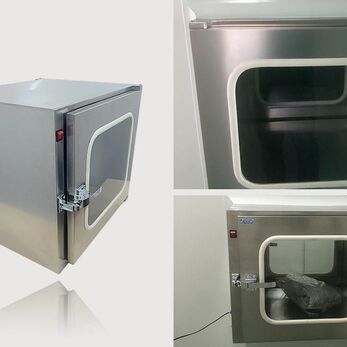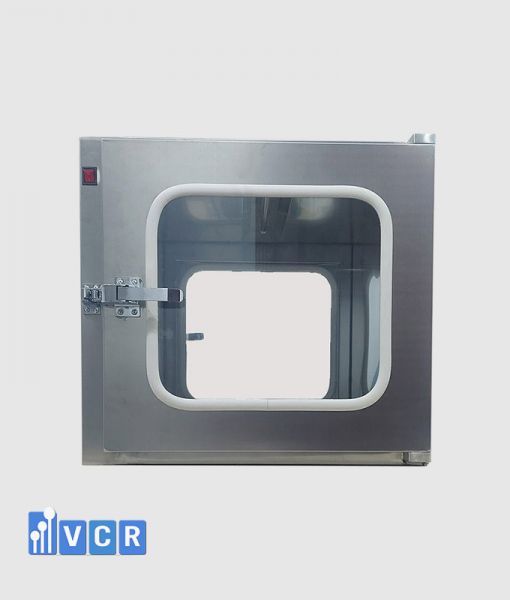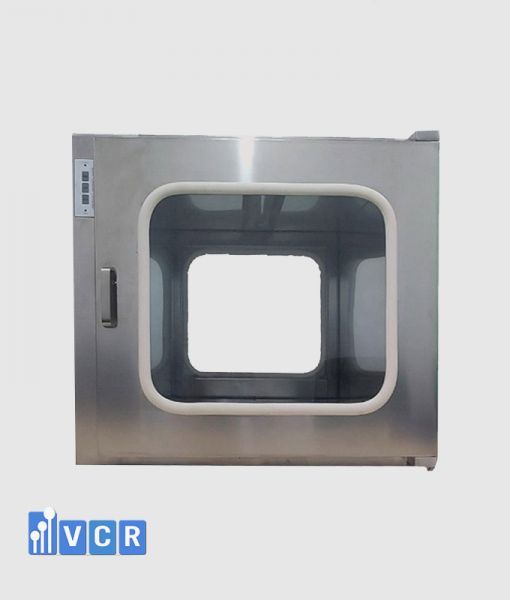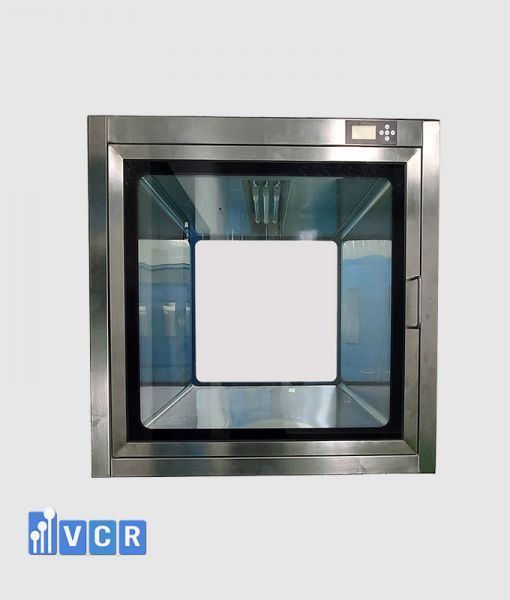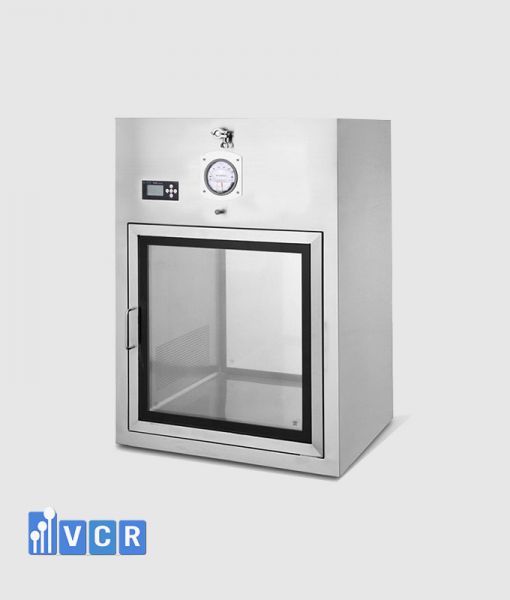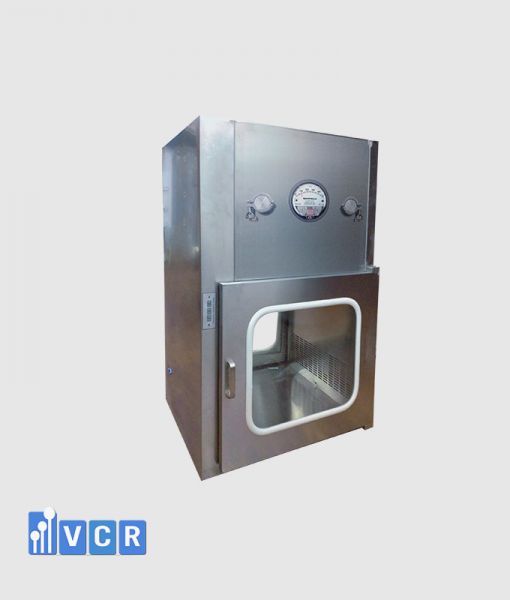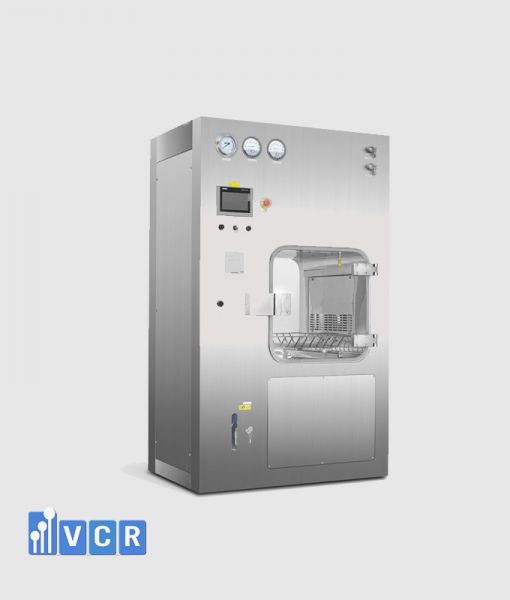

A cleanroom Pass Box helps transfer materials, tools, semi-finished products, or test samples between areas with different cleanliness levels without opening the main cleanroom doors. In GMP manufacturing, it supports cross-contamination control, reduces dust and microorganisms, and helps maintain stable cleanroom pressure.
- What Is a Cleanroom Pass Box?
- Why Is a Pass Box Important in GMP Manufacturing?
- How Does a Pass Box Control Cross-Contamination?
- When Is a Static Pass Box Suitable?
- When Is a Dynamic Pass Box Suitable?
- When Is a VHP Pass Box Suitable?
- Basic Structure of a Cleanroom Pass Box
- Selection Considerations for GMP Factories
- Common Mistakes When Using Pass Boxes
- Where to Buy Cleanroom Pass Boxes?
- Frequently Asked Questions
- Conclusion
What Is a Cleanroom Pass Box?
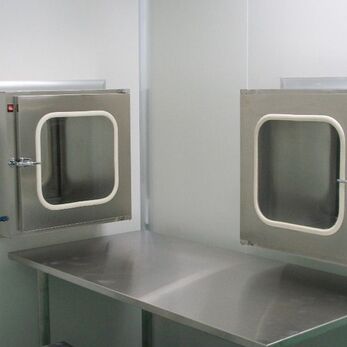
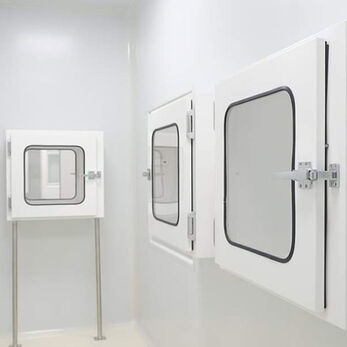
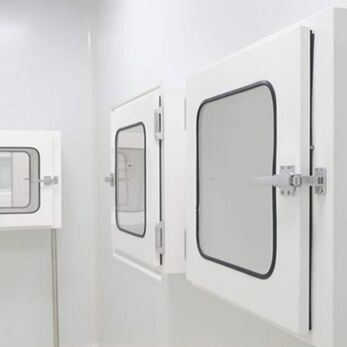
A cleanroom Pass Box, also known as a Pass Through Box or Transfer Hatch, is a device used to transfer items between two areas without allowing personnel to move directly between them. It is commonly installed through a wall between a cleanroom and a corridor, between a cleanroom and a buffer room, or between two areas with different cleanliness levels.
In GMP factories, frequent door opening can disturb pressure, disrupt airflow, and increase the risk of bringing dust, microorganisms, or contaminants into cleaner areas. A cleanroom Pass Box reduces the number of main door openings, creates a controlled transfer zone, and helps limit cross-contamination during operation.
Depending on the application, businesses can choose a Static Pass Box, Dynamic Pass Box, or VHP Pass Box. Each type is suitable for a different control level, from basic material transfer to vaporized hydrogen peroxide decontamination in high-control areas.
Why Is a Pass Box Important in GMP Manufacturing?
In GMP manufacturing, cross-contamination control is a core requirement. Cross-contamination may occur when dust, microorganisms, raw materials, packaging, tools, or products move from one area to another without proper control. If not controlled, product quality may be affected, especially in pharmaceutical, cosmetic, nutraceutical, medical device, and laboratory environments.
A cleanroom Pass Box helps separate personnel flow from material flow. Instead of personnel opening cleanroom doors to deliver items, materials are transferred through the Pass Box. This reduces the risk of carrying dust on garments, shoes, gloves, or the operator’s body surface.
A Pass Box also helps protect differential pressure between rooms. When main doors are opened less frequently, the cleanroom HVAC system can maintain a more stable operating condition. This is important for areas requiring positive pressure, negative pressure, or defined pressure zoning.
How Does a Pass Box Control Cross-Contamination?
A Pass Box controls cross-contamination by creating a controlled transfer chamber between two areas. When an item is loaded from one side, the door on that side opens while the opposite door remains locked through the interlock system. After the first door closes, the second door can be opened. This prevents both doors from opening at the same time and reduces direct air exchange between rooms.
A Static Pass Box is mainly used to transfer items between areas with similar cleanliness levels or limited cleanliness differences. A Dynamic Pass Box includes a fan, HEPA filter, and clean airflow to help reduce particles on item surfaces during transfer.
A VHP Pass Box uses vaporized hydrogen peroxide decontamination and is suitable for applications requiring stricter microbial control. It is often considered for sterile areas, laboratories, testing centers, pharmaceutical factories, or production lines requiring high contamination control.
When Is a Static Pass Box Suitable?
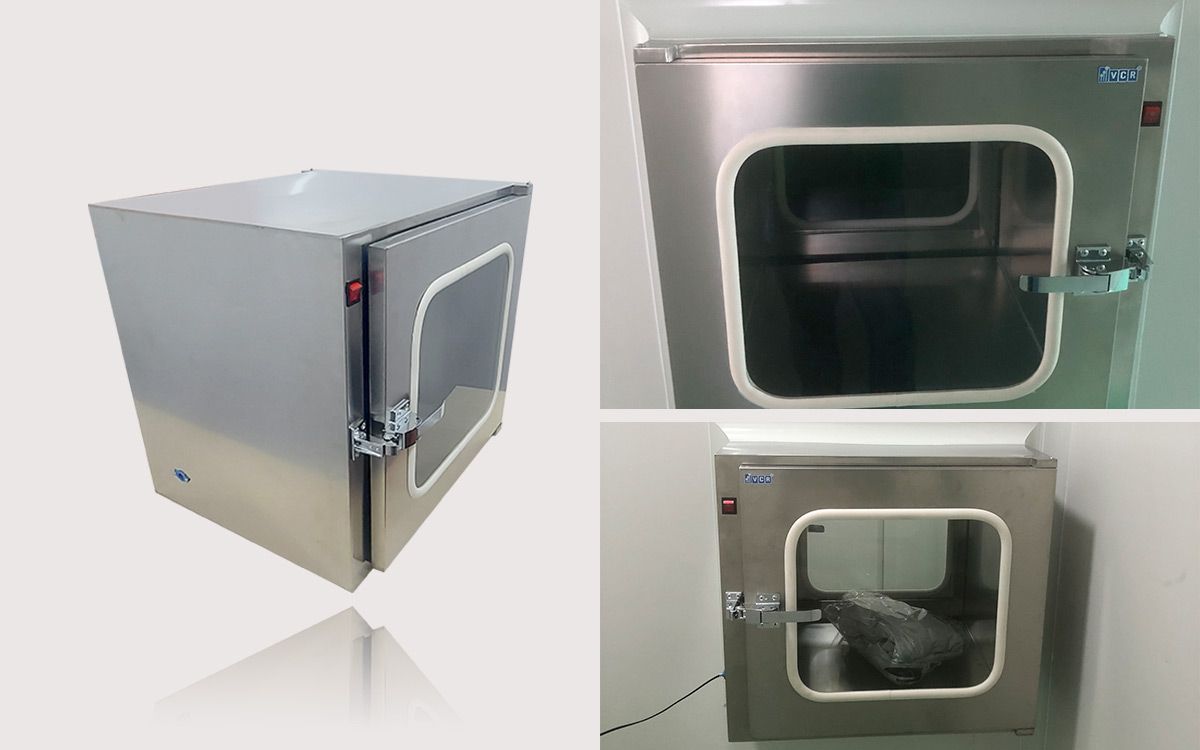
A Static Pass Box is suitable for transferring materials, tools, packaging, or documents between two areas with basic control requirements. It does not include a fan or HEPA filter and mainly relies on sealed construction, door interlock, and operating procedures to reduce cross-contamination.
This type is commonly used between clean corridors and cleanrooms, between buffer rooms and production rooms, or between two areas with similar cleanliness levels. Its advantages include simple construction, easy operation, reasonable cost, and suitability for many GMP factories with basic transfer needs.
When selecting a Static Pass Box, businesses should check chamber size, stainless steel material, door sealing, interlock system, optional UV lamp, lighting, viewing glass, and ease of cleaning. VCR Cleanroom Equipment can advise on suitable configurations based on item size and actual installation position.
When Is a Dynamic Pass Box Suitable?
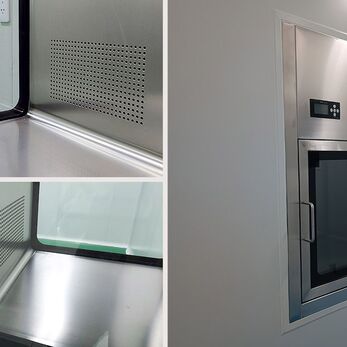
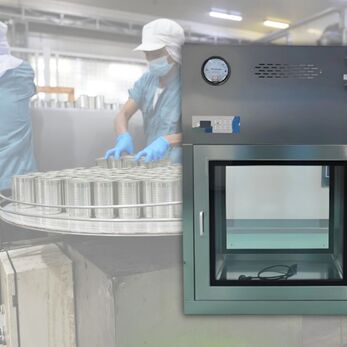
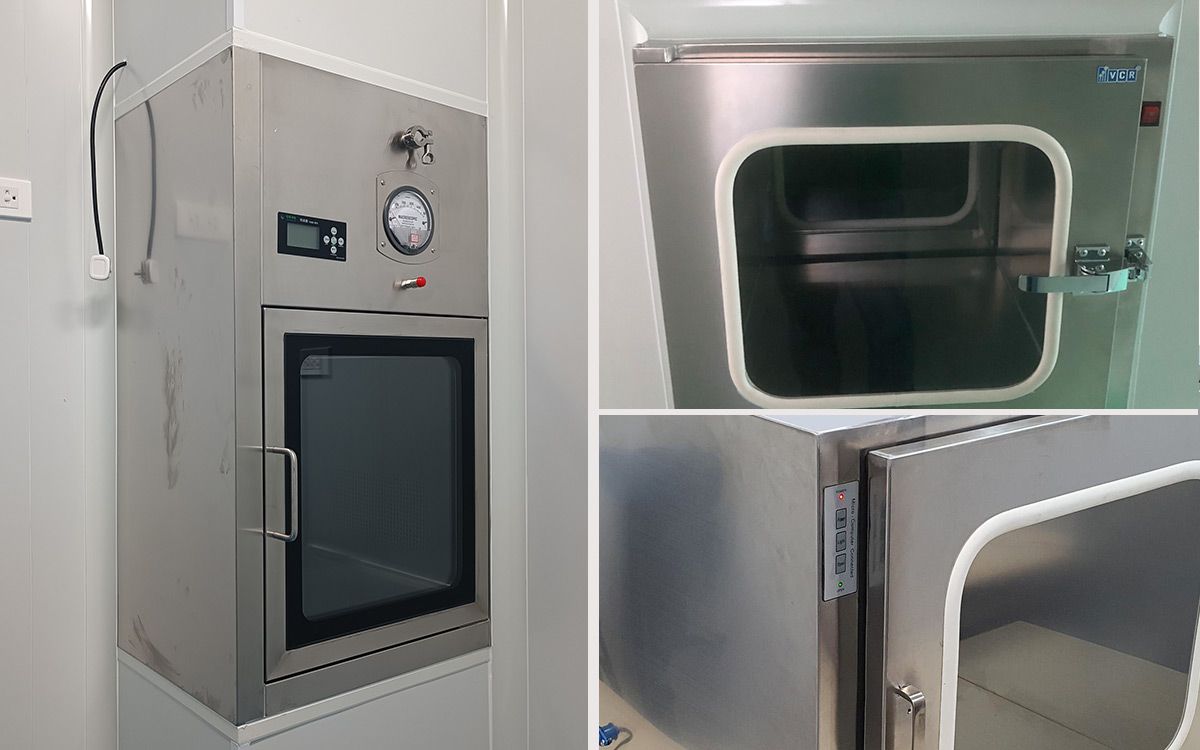
A Dynamic Pass Box is suitable for areas requiring better cleanliness control during transfer. It usually includes a fan, HEPA filter, clean airflow, and may include a differential pressure gauge to monitor filter condition. When items are placed inside the chamber, clean airflow helps reduce dust or particles on the surface.
This type is commonly used in pharmaceutical, cosmetic, nutraceutical, electronics, medical device, laboratory, and cleanroom manufacturing areas requiring higher particle control. Compared with a Static Pass Box, a Dynamic Pass Box is more suitable when items move from a less clean area to a cleaner area.
When buying a Dynamic Pass Box, businesses should check airflow volume, HEPA filter efficiency, chamber cleanliness level, differential pressure gauge, interlock, UV lamp, stainless steel material, and technical documentation. These factors directly affect cross-contamination control performance.
When Is a VHP Pass Box Suitable?
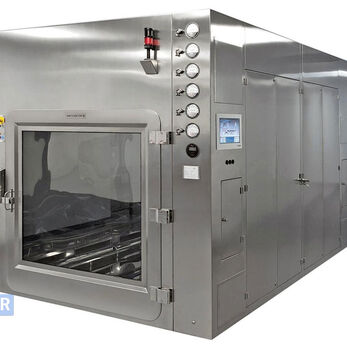
A VHP Pass Box is suitable for applications requiring high-level microbial decontamination. VHP stands for Vaporized Hydrogen Peroxide. The device uses vaporized hydrogen peroxide to decontaminate item surfaces before transferring them into clean or sterile areas.
This type is commonly used in pharmaceutical factories, sterile areas, microbiology laboratories, testing centers, bioprocessing areas, medical device manufacturing, and applications with high microbial contamination risk. A VHP Pass Box helps reduce the risk of introducing microorganisms into strictly controlled areas.
When selecting a VHP Pass Box, businesses should consider the decontamination cycle, gassing time, aeration time, H2O2 concentration, leakage control, safety sensors, material compatibility, and validation requirements. This device has higher technical requirements than Static and Dynamic Pass Boxes.
Basic Structure of a Cleanroom Pass Box
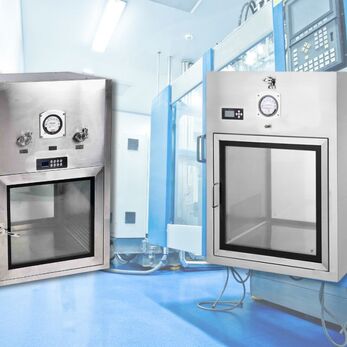
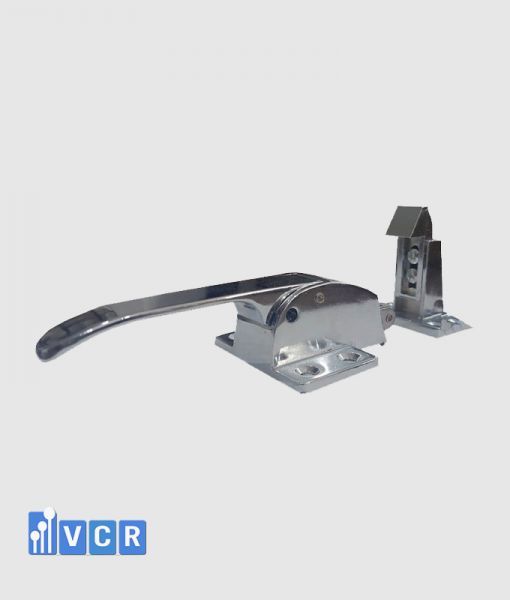
A cleanroom Pass Box usually includes a stainless steel body, transfer chamber, two opposite doors, interlock system, sealing gaskets, handles, hinges, lighting, optional UV lamp, and control panel. A Dynamic Pass Box also includes a fan, HEPA filter, supply air path, return air path, and differential pressure gauge.
Common materials include stainless steel 304 or stainless steel 316 depending on project requirements. Internal surfaces should be smooth, easy to clean, and designed to minimize dead corners and dust accumulation. Doors often include viewing glass so operators can check items inside.
The interlock system is very important. When one door is open, the other door must remain locked. This prevents direct room-to-room communication, limits pressure disturbance, and reduces cross-contamination risk.
Selection Considerations for GMP Factories
When selecting a cleanroom Pass Box for GMP factories, businesses should define the items to be transferred, item dimensions, transfer frequency, cleanliness levels on both sides, material flow direction, and cross-contamination risk level.
If only standard materials are transferred between areas with similar cleanliness levels, a Static Pass Box may be suitable. If items are transferred from a less clean area into a cleaner area, a Dynamic Pass Box is often a better choice. If microbial decontamination is required before items enter a strictly controlled area, a VHP Pass Box should be considered.
Businesses should also check stainless steel material, door sealing, interlock, UV lamp, HEPA filter, differential pressure gauge, ease of cleaning, technical documents, CO/CQ, filter certificate, drawings, and acceptance requirements. VCR Cleanroom Equipment can advise on configurations according to actual GMP applications.
Common Mistakes When Using Pass Boxes
The first mistake is selecting the wrong type of Pass Box. A Static Pass Box should not replace a Dynamic Pass Box or VHP Pass Box in areas requiring higher control. Each type has a different purpose.
The second mistake is selecting a chamber size that is too small. If items are difficult to load or frequently touch the chamber walls, surface contamination risk may increase. The Pass Box size should match the largest item regularly transferred.
The third mistake is opening both doors at the same time or disabling the interlock. This is a serious operating error because it can directly connect two areas, affect pressure, and increase cross-contamination risk.
The fourth mistake is neglecting cleaning and periodic inspection. Internal surfaces may accumulate dust, chemicals, powder, or microorganisms if not cleaned properly. For Dynamic Pass Boxes, HEPA filters and differential pressure gauges should also be inspected.
Where to Buy Cleanroom Pass Boxes?
Businesses can buy cleanroom Pass Boxes from VCR Cleanroom Equipment. VCR provides application-based consulting to help customers select the correct Pass Box type, size, material, cleanliness level, and documentation requirements.
VCR Cleanroom Equipment supplies Static Pass Boxes, Dynamic Pass Boxes, VHP Pass Boxes, and related cleanroom equipment such as Air Showers, FFU - Fan Filter Unit, HEPA Boxes, Clean Booths, Interlocks, differential pressure gauges, cleanroom lights, cleanroom doors, and HEPA/ULPA filters.
When requesting consultation, businesses should provide item dimensions, installation position, cleanliness levels on both sides, material flow direction, HEPA filtration requirement, UV lamp requirement, interlock requirement, VHP requirement, CO/CQ, drawings, and delivery schedule. From there, VCR can recommend a suitable solution for each GMP project.
Frequently Asked Questions
What Is the Role of a Cleanroom Pass Box in GMP Manufacturing?
A cleanroom Pass Box helps transfer items between two areas without opening the main room doors directly. It reduces pressure disturbance, dust, microorganisms, and cross-contamination risk. In GMP factories, it is an important solution for separating personnel flow from material flow and supporting a more stable production environment.
What Is the Difference Between a Static Pass Box and a Dynamic Pass Box?
A Static Pass Box has no fan or HEPA filter and is mainly used for transferring items between areas with similar cleanliness levels or basic control needs. A Dynamic Pass Box includes a fan, HEPA filter, and clean airflow, making it more suitable when particle control is required during transfer. VCR Cleanroom Equipment can advise on the right type for each installation point.
When Should a VHP Pass Box Be Used?
A VHP Pass Box should be used when items require microbial decontamination before entering clean or sterile areas. It uses vaporized hydrogen peroxide to treat item surfaces. This solution is suitable for pharmaceutical factories, microbiology laboratories, testing centers, and areas with strict contamination control requirements.
Does a Pass Box Need an Interlock System?
Yes. An interlock system is very important for a cleanroom Pass Box. When one door opens, the other door is locked to prevent direct room-to-room communication. This mechanism helps reduce cross-contamination, protect cleanroom pressure, and limit air movement from less clean areas into cleaner areas.
Conclusion
A cleanroom Pass Box is an important solution for cross-contamination control in GMP manufacturing. It supports safe material transfer, reduces cleanroom door opening, maintains stable pressure, and limits dust, microorganisms, or contaminants from moving into the wrong area.
If your business needs a Static Pass Box, Dynamic Pass Box, or VHP Pass Box for a GMP factory, contact VCR Cleanroom Equipment for support in selecting the correct type, size, configuration, and solution for actual operating requirements.